Top 10 Differences of Defit and Fitout
Most business owners hear “defit” and “fitout” and assume they are opposite ends of the same job. In reality, they operate on completely different commercial tracks. Understanding the top 10 differences of defit and fitout saves time, cost, and the kind of headaches that usually show up at handover. Perth Defit works on both sides of the process in WA, so the nuances are clear when you map them out properly.

What separates the purpose of a defit from a fitout?
A defit strips a site back to its original or agreed makegood condition. A fitout builds a functional space tailored to the next tenant or next business strategy. One is removal. The other is construction. A shop defit might involve clearing shelving, signage, and cabling, while a fitout rebuilds the same space into a new shopfitting layout with custom joinery and service upgrades.
How does scope differ between defit and fitout?
Defit is finite. You remove, rectify, and return. Fitout balloons depending on design intent, compliance, and operational needs. A commercial defit follows a clear checklist tied to a lease. A fitout grows with every design revision and every consultant that steps in.

Why are timelines so different for defit and fitout?
Defit moves fast because the objective is simple. Fitout has approvals, inspections, staging, and procurement. While a business defit might be wrapped in a few days, a full shopfitting fitout can stretch across weeks due to trades, materials, and compliance sequencing.
How do compliance requirements differ?
Defit compliance focuses on safety, waste removal, electrical isolation, and makegood obligations. Fitout compliance dives deeper into building codes, accessibility, fire ratings, and structural approvals. You are not just removing risk in a defit. You are building long-term compliance into a fitout.

How does cost structure differ between defit and fitout?
Defit costs are predictable because the work is controlled and contained. Fitout costs vary wildly. One adjustment to lighting or layout can multiply the budget. A defit and makegood project is usually quoted tight. A full fitout can shift right up until handover.
Why does trade involvement vary between defit and fitout?
Defit only needs the essential trades to decommission and restore. Fitout stacks trades on trades. Electricians, plumbers, designers, shopfitters, fire technicians, and data specialists all combine to bring the space to life. The trade load alone marks a clear line between the two.

How do risk profiles differ?
Defit risk is tied to damage control, safety at height, and managing waste safely. Fitout risk sits in structural changes, service upgrades, load paths, and custom fabrication. A defit avoids adding anything new. A fitout introduces elements that must perform safely for years.
How does client involvement differ?
Clients rarely need to hover over a defit. The process is straightforward. Fitout, on the other hand, thrives on client input. Finishes, layouts, lighting, branding, and operational flow all demand ongoing decisions. Defit is hands off. Fitout is collaborative.
How does the end result differ?
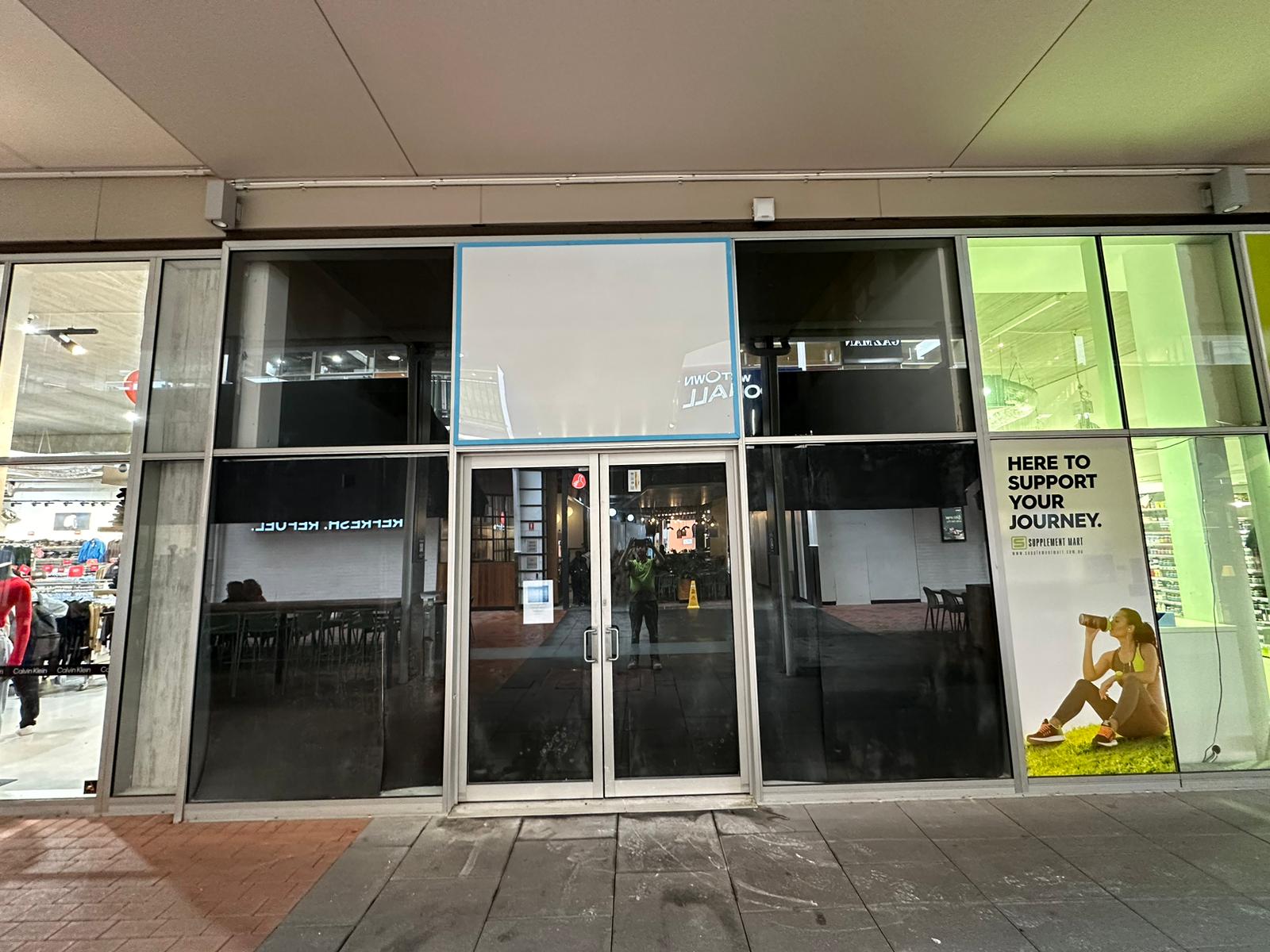
Defit delivers a blank slate suited for handover or new tenancy. Fitout delivers a fully functional, ready-to-trade space built to suit a brand or operation. One concludes a tenancy. The other activates the next chapter of the space.
Why does aftercare differ between defit and fitout?
After a defit, there is almost nothing to maintain. After a fitout, clients rely on maintenance schedules, warranties, and periodic checks on electrical, mechanical, and joinery elements. A defit hands the site back. A fitout sets the site up for long-term use.

Final Word for Businesses Taking Action
Understanding the top 10 differences of defit and fitout helps businesses plan budgets, negotiate leases, and avoid downtime. If you are prepping for a business defit or looking at a full shopfitting overhaul, the smartest move is getting clarity early. Perth Defit’s team deals with everything from light retail makegood to complex commercial defit workflows, so the handover stays predictable for both the outgoing and incoming parties.


Comments
Post a Comment