Understanding Defit and Makegood for Commercial Properties in Perth
Understanding defit and makegood is one of the most overlooked parts of leasing commercial property in Perth. Many tenants focus on the fitout and shopfitting stage, only to discover at lease end that removal, restoration, and compliance costs are far higher than expected. For landlords, shop owners, commercial tenants, and builders, knowing how defit and makegood actually work in Western Australia can mean the difference between a smooth handover and a drawn-out dispute.
This guide breaks down what defit and makegood really involve, how they differ across property types, and why early decisions matter more than most people realise.

What Defit and Makegood Actually Mean in a Perth Lease Context
Defit refers to the removal of tenant-installed elements such as partitions, joinery, services, flooring, and fixtures. Makegood is the process of restoring the space to the condition required under the lease, often described as base build or original handover condition. Understanding defit and makegood starts with the lease, not the construction site. In Perth, lease clauses often specify exact restoration standards, timelines, and inspection requirements that go beyond basic removal work.

The Difference Between Defit, Makegood, Fitout, and Shopfitting
Fitout and shopfitting focus on building a space to suit business operations. Defit and makegood reverse that process. The problem is that many fitouts are designed without considering how they will be removed later. Fixed joinery, hard-wired services, and non-standard finishes may look great on day one, but they significantly increase defit and makegood costs at lease end. Understanding defit and makegood means recognising that every fitout decision has a future price tag attached.

Why Defit and Makegood Requirements Vary Between Properties
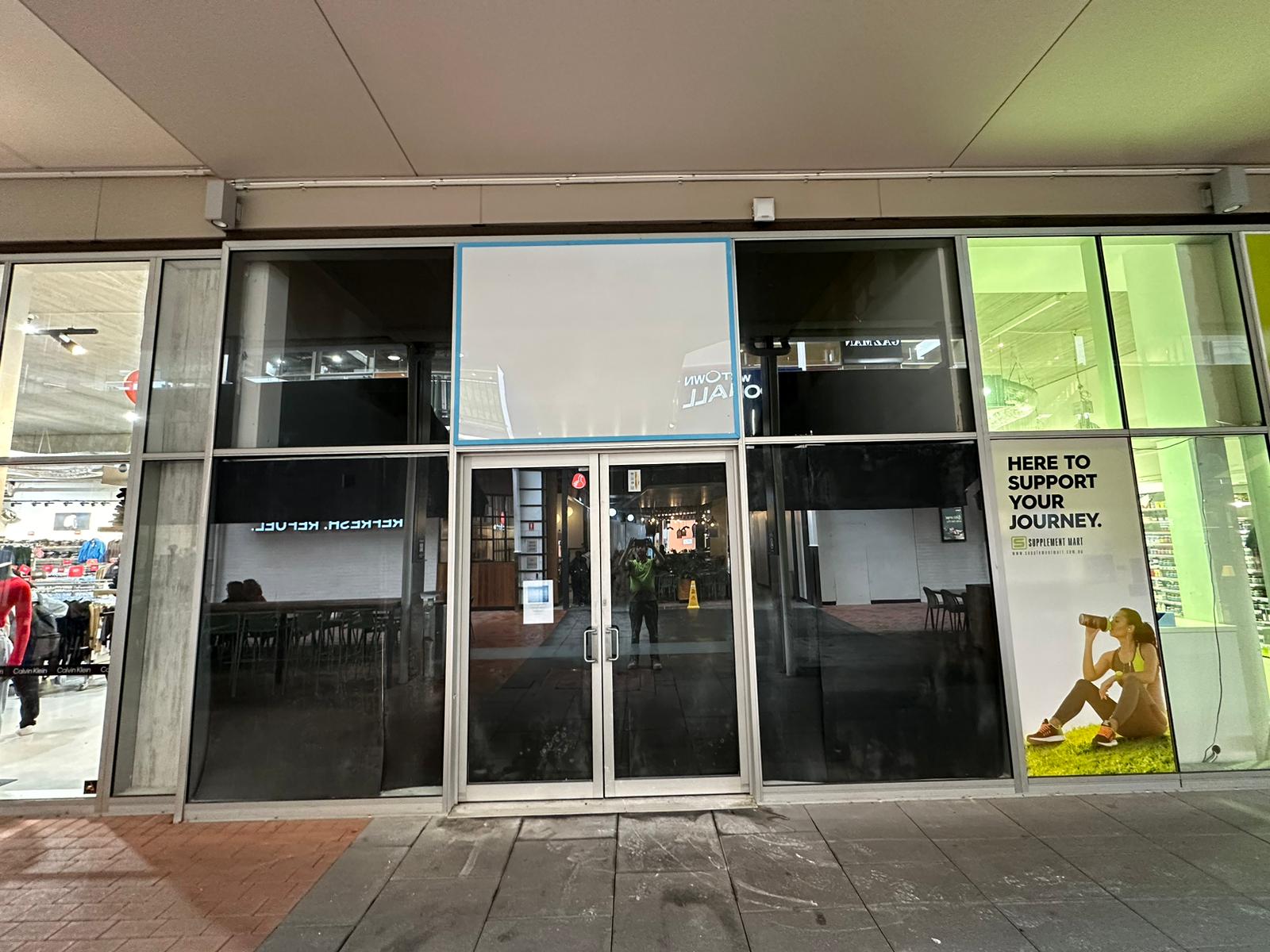
Not all defit and makegood projects in Perth are treated equally. Retail spaces inside shopping centres usually face stricter handover conditions than standalone shops. Office defit projects often involve detailed services removal and fire compliance checks. Warehouse defit work may appear simpler, but large-scale demolition services, electrical isolation, and waste management can quickly add complexity. Lease wording, landlord expectations, and council requirements all influence the final scope.
Office Defit, Shop Defit, and Warehouse Defit Explained
Office defit typically involves removing partitions, ceilings, data cabling, and lighting while ensuring the space meets base build standards. Shop defit usually includes removal of counters, signage, shopfront modifications, and custom joinery installed during shopfitting. Warehouse defit can involve dismantling mezzanines, racking, and industrial services, often requiring partial demolition services. Each type carries different risks, timelines, and compliance pressures.

Comparing Defit and Makegood Across Commercial Property Types in Perth
This comparison highlights why understanding defit and makegood early helps businesses choose the right approach for their property type.

Common Defit and Makegood Mistakes That Cost Perth Tenants Money
The most expensive mistakes usually start years earlier. Tenants forget to document changes, install non-compliant services, or assume the landlord will accept partial restoration. Leaving defit planning until lease expiry often results in rushed work, premium contractor rates, and failed inspections. Understanding defit and makegood properly allows tenants to plan removals and restoration well before deadlines hit.

How Early Fitout and Shopfitting Choices Impact Final Makegood Costs
Smart fitout and shopfitting decisions can dramatically reduce defit complexity. Modular walls, removable flooring systems, and accessible services layouts lower labour time during office defit, shop defit, and warehouse defit projects. Poorly planned installations, on the other hand, increase demolition services, waste volumes, and reinstatement costs. This is where understanding defit and makegood shifts from theory to real savings.

When Demolition Services Become Part of Defit
Demolition services are required when structural elements, fixed platforms, or heavy installations must be removed. In Perth, this often applies to warehouses, hospitality venues, and older retail sites. Proper demolition planning ensures safety compliance, efficient waste disposal, and faster makegood completion. Skipping this step leads to delays and rework during final inspections.

The Role of a Defit and Makegood Specialist in Perth
A specialist contractor coordinates removal, demolition services, compliance checks, and restoration under one scope. Perth Defit works with landlords and tenants to interpret lease conditions, manage timelines, and deliver handover-ready spaces. This reduces friction, controls costs, and avoids last-minute disputes. Understanding defit and makegood becomes far simpler when one party owns the full process.

Perth Case Scenario: Getting Defit and Makegood Right the First Time
A commercial tenant in Osborne Park planned their exit six months before lease expiry. Their original fitout used modular partitions and surface-mounted services. As a result, shop defit and makegood were completed ahead of schedule with minimal demolition services required. The landlord signed off on the handover without variations, saving time and cost for both sides. This outcome started with understanding defit and makegood long before the final month of the lease.

FAQs About Understanding Defit and Makegood in Perth
What does defit and makegood usually include in Perth?
It typically includes removal of tenant installations, repairs, repainting, services isolation, and restoration to lease conditions.
Is defit required for all commercial properties?
Most leases require some level of defit and makegood, though the scope varies between office defit, shop defit, and warehouse defit.
Can fitout choices reduce makegood costs later?
Yes. Designing with removal in mind significantly reduces labour, demolition services, and reinstatement work.
When should I start planning defit and makegood?
Ideally six to twelve months before lease expiry, especially for larger Perth sites or shopping centre locations.
Do landlords inspect defit and makegood work?
Yes. Most landlords conduct final inspections and require compliance evidence before accepting handover.