What Is Defit and Demolition and When Do You Need One for Commercial Spaces
Commercial projects rarely move in a straight line. Leases end, businesses relocate, spaces change purpose, and buildings need to be reset before the next phase begins. This is where the question comes up again and again. What is defit and demolition and when do you need one? The answer affects budgets, timelines, approvals, and how smoothly a space can be handed over or rebuilt.
In Perth, defit and demolition are often treated as interchangeable terms, but they solve very different problems. Knowing which one applies to your situation can save you from overpaying or underpreparing.

What is defit and demolition and when do you need one in a commercial property?
What is defit and demolition and when do you need one depends on the condition of the space and the end goal. A defit focuses on removing non structural elements so a space can be returned to base building condition. Demolition goes further and involves breaking down structural components, walls, slabs, or entire buildings.
If you are vacating a leased shop, office, or warehouse, a defit and makegood is usually required. If the structure itself needs to be removed or heavily altered, demolition services are the correct path.

What is a commercial defit and how does it work?
A commercial defit is the controlled removal of internal elements that were added during a tenancy. This often includes partitions, ceilings, flooring, joinery, services, and signage.
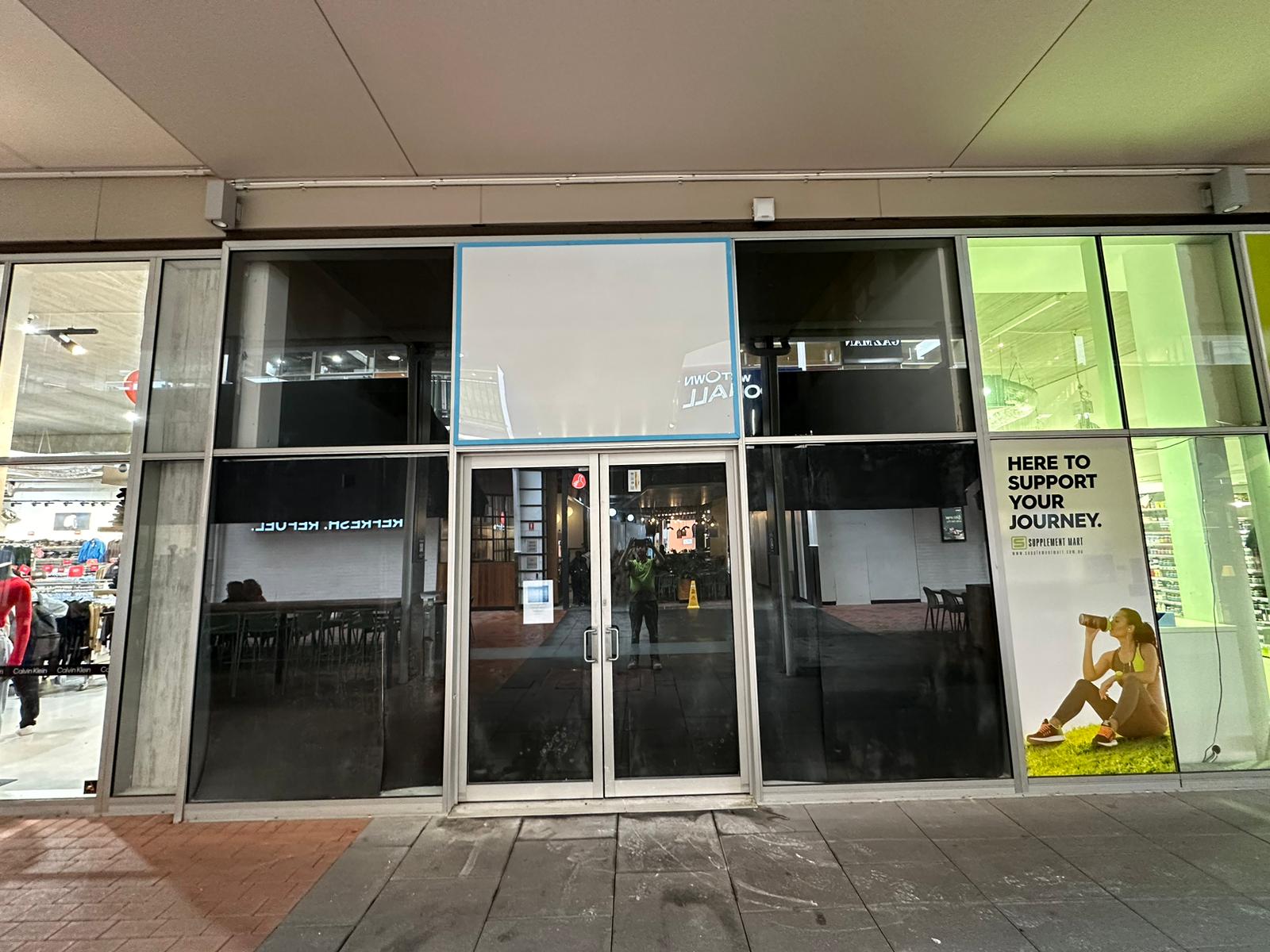
Shop defit projects are common in retail, while offices and warehouses follow similar principles. The goal is to leave the space compliant with lease conditions and ready for the next tenant or shopfitting stage.
Defit work often includes sorting and removal of waste, recycling where possible, and managing insurance debris when damage or claims are involved.

What is demolition and how is it different from defit?
Demolition deals with structure. This includes load bearing walls, concrete slabs, external facades, and sometimes entire buildings. Demolition services are used when redevelopment is planned or when a structure is unsafe or obsolete.
The key difference is intent. Defit prepares a space for reuse. Demolition clears the way for something new.
Understanding what is defit and demolition and when do you need one prevents unnecessary scope creep and keeps projects compliant.

When do you need a defit instead of demolition?
You need a defit when the building stays but the fitout goes. This is common at lease expiry, during refurbishments, or before a new shopfitting project begins.
Landlords often specify defit and makegood requirements in lease agreements. Ignoring these can delay handover or trigger disputes.
In Perth, many businesses engage specialists familiar with local expectations, including teams similar to Perth Defit, to ensure nothing critical is missed without overspending.

When is demolition the right choice?
Demolition is required when the existing structure no longer serves its purpose. This could be due to redevelopment plans, major structural changes, or compliance issues that cannot be resolved through defit alone.
Insurance debris removal often overlaps with demolition after fire, flood, or impact damage. In these cases, demolition services help reset the site safely and legally.

How do defit and shopfitting work together?
Defit and shopfitting are two sides of the same cycle. A clean, compliant defit creates the foundation for efficient shopfitting. Poor defit work leads to delays, rework, and higher build costs.
Knowing what is defit and demolition and when do you need one helps project managers align removal and construction phases without friction.
What approvals are required for defit and demolition in Perth?
Approvals depend on scope. Minor defit work may only require site safety controls. Larger defit projects and all demolition works typically require council approval, waste management plans, and compliance with safety regulations.
Failing to align the scope with the correct approval pathway is a common mistake that slows projects down.
How do you choose between defit and demolition for your project?
Start with the end goal. If the structure remains, defit is usually sufficient. If the structure changes or disappears, demolition is unavoidable.
Understanding what is defit and demolition and when do you need one allows businesses, landlords, and developers to budget accurately and move faster from decision to delivery.
Why clarity around defit and demolition matters commercially
Defit and demolition are not just technical decisions. They impact downtime, leasing schedules, and overall project risk. Clear scoping protects margins and avoids last minute surprises.
In Perth’s competitive commercial market, the ability to choose the right approach at the right time is a quiet advantage that experienced operators rely on.


Comments
Post a Comment