What Is a Hoarding? A Practical Guide for Perth Construction Sites
What is a hoarding in construction, and why do Perth builders take it so seriously? A hoarding is a temporary structure installed around a construction site to protect the public, secure the work zone, and meet Australian safety standards. On Perth projects, from CBD refurbishments to suburban shop fit-outs, construction hoarding is not optional. It is a core compliance requirement and a risk-control tool that keeps projects moving.
Hoardings WA works with builders, shop owners, and event producers across Western Australia, so this guide breaks down what hoardings actually do, the rules that apply, and how to choose the right hoarding system for your site.

What Is a Hoarding in Construction and Why It Exists
A hoarding is a physical barrier that separates the public from construction activity. Unlike temporary fencing, hoardings are usually solid, fully enclosed, and designed to prevent dust, debris, and unauthorised access. In high-traffic Perth locations, hoardings also manage pedestrian flow and visual impact, which councils care about more than many builders realise.
On commercial sites, hoardings reduce liability. On retail sites, shopfront hoarding protects brand reputation during messy defits and fit-outs. On events, hoardings double as event walls, guiding crowds while hiding backstage operations.

Australian Construction Standards That Apply to Hoardings
Construction hoarding in Australia must align with multiple layers of regulation. In Western Australia, this typically includes the NCC, WorkSafe WA requirements, and local council conditions. Hoardings must be structurally sound, wind-rated for local conditions, and installed to prevent collapse or movement.
Perth’s coastal winds are a real factor. Poorly braced hoarding panels fail quickly in suburbs like Fremantle or Scarborough. Councils also expect hoardings to maintain safe pedestrian access, especially in the Perth CBD, Subiaco, and activity centres with heavy foot traffic.

Why Hoardings Are Critical for Commercial Construction
Commercial hoarding is about more than blocking a view. It controls risk, protects surrounding businesses, and keeps a site compliant throughout the build. Builders working near offices or operating retail centres rely on hoardings to isolate noise, dust, and equipment from the public.
From a business perspective, proper hoarding reduces complaints, avoids stop-work notices, and keeps insurers comfortable. These are not small wins. One poorly planned hoarding layout can stall a project for days.

Shopfront Hoarding and Retail Fit-Outs in Perth
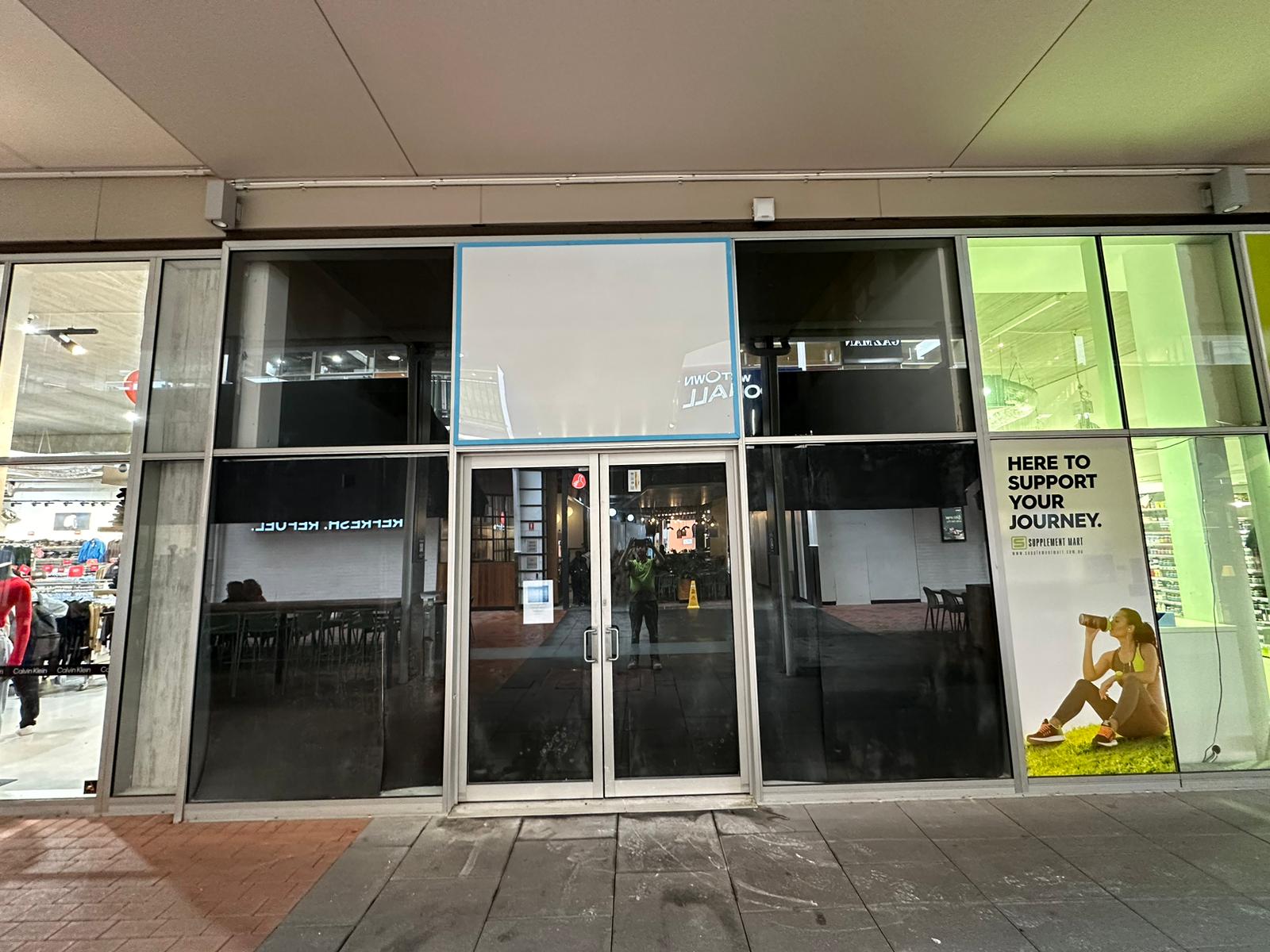
Shopfront hoarding is common during defits and refurbishments. Perth shopping centres and strip retail locations usually require solid panels with clean finishes and no gaps. The goal is to protect customers while allowing neighbouring stores to trade as normal.
Retail hoardings often include access doors, lighting considerations, and smooth surfaces for temporary branding. Done properly, shopfront hoarding keeps the centre manager happy and prevents rushed reinstallations later.

Different Types of Hoarding Systems Used on Construction Sites
Hoarding systems vary depending on risk level, duration, and location. Temporary fencing suits low-risk or short-term works but offers limited privacy and security. Solid hoarding systems use framed panels designed for strength and long-term stability. These are standard for CBD and retail environments.

Event walls are a specialised hoarding system built for fast installation and removal. They are popular with Perth event organisers who need quick pack-in and pack-out without sacrificing presentation.

Hoardings to Rent Versus Buying Panels
Most Perth builders choose hoardings to rent rather than buy. Renting reduces storage issues, allows upgrades for different sites, and ensures panels meet current standards. Rental providers also handle installation, inspections, and adjustments when site conditions change.
For projects with shifting timelines, rental hoarding systems prevent wasted spend and keep compliance consistent from start to finish.

Local Experience: Why Perth Knowledge Matters
A hoarding setup that works in regional WA may fail in central Perth. Council conditions differ, wind exposure changes by suburb, and pedestrian density can turn a minor issue into a major safety concern. Local experience means fewer surprises, faster approvals, and fewer rebuilds.
Hoardings WA regularly installs systems for CBD refurbishments, suburban retail upgrades, and industrial projects in areas like Welshpool and Malaga, where access and logistics shape the hoarding design.

FAQ
What is a hoarding used for on a construction site
A hoarding separates the public from construction activity, controls access, and helps meet Australian safety and council requirements.
Is construction hoarding mandatory in Perth
In most commercial and public-facing sites, yes. Councils and WorkSafe WA expect hoardings where there is pedestrian risk.
What is the difference between hoarding and temporary fencing
Temporary fencing is usually mesh and see-through. Hoarding is solid, more secure, and designed for higher-risk or public areas.
How long can hoardings stay in place
Hoardings can remain for the full duration of a project, provided they are maintained, inspected, and compliant with approvals.