What is Shopfront Hoarding and Why It Matters for Retail and Construction Sites
What is shopfront hoarding and why does it show up on almost every retail refurbishment or construction project? At its core, shopfront hoarding is a temporary barrier installed at the front of a tenancy to separate construction activity from the public. It protects pedestrians, secures the site, and allows work to continue without shutting down surrounding areas.
In Perth, shopfront hoarding plays a critical role in shopping centres, street facing retail strips, and mixed use developments where safety, presentation, and compliance all matter. Understanding how it works helps landlords, tenants, and builders make smarter decisions before a project even starts.

What is shopfront hoarding used for in retail and construction projects?
What is shopfront hoarding used for beyond blocking off a work zone? Its primary purpose is risk control. It prevents unauthorised access, shields the public from dust and debris, and creates a clear boundary between active works and live environments.
Retail refurbishments often rely on shopfront hoarding to keep neighbouring stores open while internal works continue. Construction teams also use it to maintain site security and meet centre management or council requirements.
Unlike basic temporary fencing, shopfront hoarding is designed to integrate with indoor and high traffic environments where appearance and durability matter.

How does shopfront hoarding differ from standard construction hoarding?
Construction hoarding is usually installed around outdoor sites or larger building perimeters. Shopfront hoarding is more refined and purpose built for internal or semi internal locations.
What is shopfront hoarding in practical terms? It is a modular hoarding system that fits neatly within a tenancy opening, often extending floor to ceiling. It may include solid panels, access doors, and clear sightlines depending on site needs.
This distinction matters because shopping centres and commercial landlords often reject generic barriers in favour of professional hoarding systems that meet visual and safety standards.

Why is shopfront hoarding important in Perth retail environments?
Perth retail environments present unique challenges. High foot traffic, enclosed malls, and strict centre guidelines all demand reliable solutions.
What is shopfront hoarding expected to achieve in these settings? It must control noise and dust, protect shared spaces, and maintain a professional look throughout the project lifecycle. Poorly installed hoarding creates complaints, delays, and compliance issues.
Well planned hoarding reduces risk while allowing tenants to meet refurbishment deadlines without disrupting neighbouring businesses.

When should shopfront hoarding be installed during a project?
Shopfront hoarding should be installed before any demolition or internal works begin. This ensures the site is secure from day one and prevents early safety breaches.
Many projects underestimate how early hoarding systems need to be in place. If hoarding is delayed, builders may be forced to stop work or rush installations under pressure from centre management.
From a transactional perspective, early installation avoids downtime and keeps trades moving without interruption.

Can shopfront hoarding be rented instead of purchased?
Yes. Hoardings to rent are common across Perth, especially for short term retail refurbishments or fitouts. Renting allows businesses to access compliant systems without long term storage or maintenance costs.
What is shopfront hoarding rental best suited for? Temporary projects, pop up refurbishments, and staged works where hoarding is only required for part of the build.
Rental options also make hoarding maintenance easier, as panels and fixings can be serviced or replaced as needed throughout the project.

How does shopfront hoarding support safety and compliance?
Safety is the main driver behind shopfront hoarding requirements. It reduces the risk of injury, controls access, and helps projects comply with workplace and public safety regulations.
What is shopfront hoarding expected to include for compliance? Solid panels, stable fixings, and appropriate access points. In many cases, hoarding maintenance is required to ensure panels remain secure and undamaged as works progress.
Local councils and shopping centre operators in Perth often inspect hoarding systems to ensure they meet agreed standards.
Does shopfront hoarding help with branding or presentation?
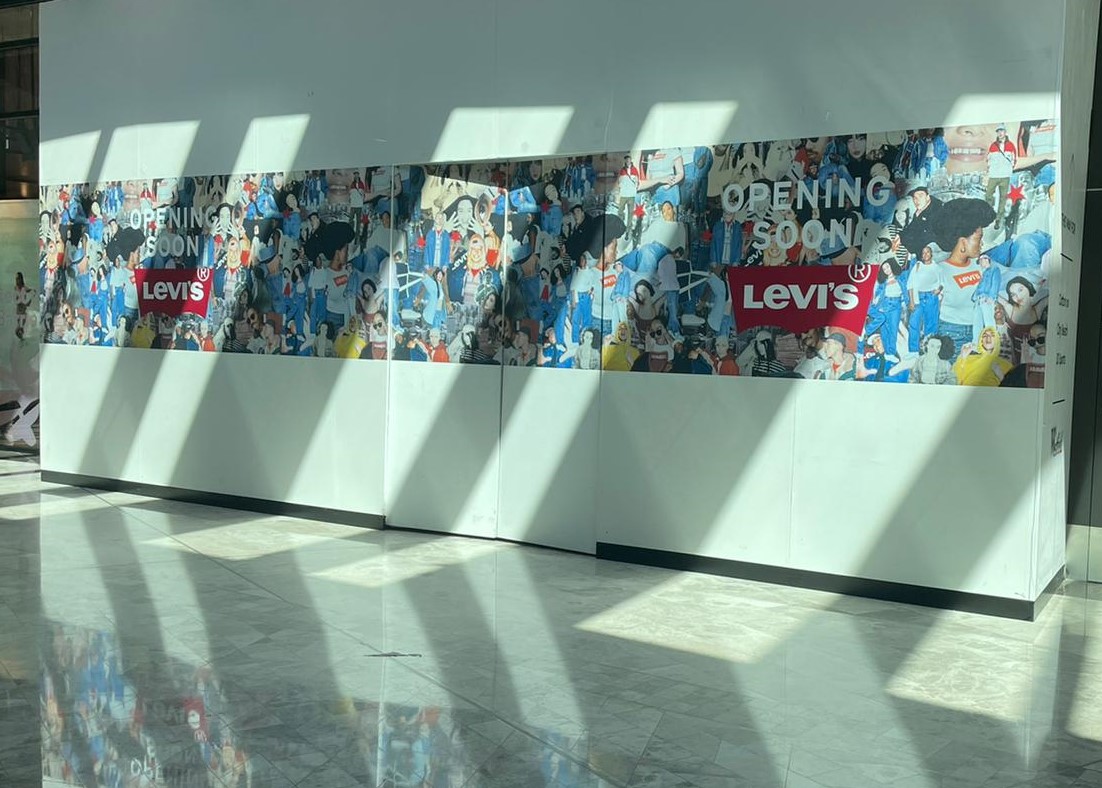
While its main role is safety, shopfront hoarding can also improve presentation. Clean, well installed hoarding keeps construction activity out of sight and avoids a negative impression for customers.
Some projects choose neutral finishes that blend into the retail environment. Others use hoarding as a visual buffer to maintain a premium look during renovations.
What is shopfront hoarding doing in these cases? Protecting not just people, but brand perception and tenant relationships.
How does shopfront hoarding compare to temporary fencing?
Temporary fencing is typically used outdoors or in open construction zones. Shopfront hoarding is designed for enclosed or customer facing spaces.
Temporary fencing allows visibility and airflow but offers limited dust and noise control. Shopfront hoarding provides a solid barrier that suits indoor environments where appearance and containment matter.
Choosing the wrong option can lead to rejected site setups or forced replacements mid project.
Who is responsible for shopfront hoarding installation and upkeep?
Responsibility usually falls on the builder or tenant, depending on lease terms. Some landlords require approved installers and specific hoarding systems to be used.
What is shopfront hoarding maintenance expected to cover? Regular checks, panel repairs, and ensuring doors and fixings remain secure. Neglecting maintenance can result in compliance issues or project delays.
In Perth, experienced providers such as teams aligned with Hoardings WA understand these requirements without overselling unnecessary add ons.
Why understanding shopfront hoarding saves time and money
Understanding what is shopfront hoarding and how it fits into a project helps decision makers avoid common mistakes. Late installations, incorrect systems, or poor maintenance all add cost and friction.
When hoarding is planned early, selected correctly, and maintained properly, projects run smoother. Trades work uninterrupted, the public stays protected, and approvals are easier to manage.
For retail and construction projects across Perth, shopfront hoarding is not just a barrier. It is a practical tool that supports safety, compliance, and commercial outcomes.
If you want, I can also adapt this into a leasing focused guide, a centre compliance checklist, or a comparison between shopfront hoarding and other hoarding systems.

Comments
Post a Comment