Is There a Proper Way of Removing Hoardings in a Construction Site - Hoarding Removal Explained
When a project nears completion, attention shifts from building up to packing down. That is where many contractors ask the same question: is there a proper way to handle Hoarding Removal on a construction site?
The short answer is yes. Hoarding Removal is not just about unbolting panels and loading them onto a truck. Done incorrectly, it creates safety risks, compliance breaches, and potential damage to public areas. Done properly, it protects pedestrians, preserves assets, and closes out a project cleanly.
For builders, developers, and property managers across Perth, understanding the right Hoarding Removal process protects both reputation and bottom line.

Is There a Proper Sequence for Hoarding Removal on Active Sites?
Yes, there is a structured sequence for Hoarding Removal, especially when the site is partially active or located in high traffic areas.
The first step is a site risk assessment. Before any construction hoarding panels are removed, contractors must confirm that adjacent works are complete and that overhead risks have been eliminated. If dismantling occurs near public footpaths, pedestrian diversion plans may be required.
Next comes controlled panel removal. Fasteners, braces, and supports should be dismantled systematically from stable sections inward. This prevents sudden collapse or imbalance. For class a and class b hoardings, additional structural components must be removed carefully due to load bearing considerations.
Finally, reinstatement of surfaces and footpaths is addressed. Bolt holes, anchor points, and minor surface damage must be repaired to meet council or landlord standards.
A rushed Hoarding Removal process often results in unnecessary rework. A staged approach prevents that.

What Safety Risks Are Involved in Hoarding Removal?
Hoarding Removal carries different risks compared to installation.
Panels can be heavy. Wind loads may still apply during dismantling. Fixings under tension can release unexpectedly. In busy commercial areas, uncontrolled removal exposes pedestrians to potential hazards.
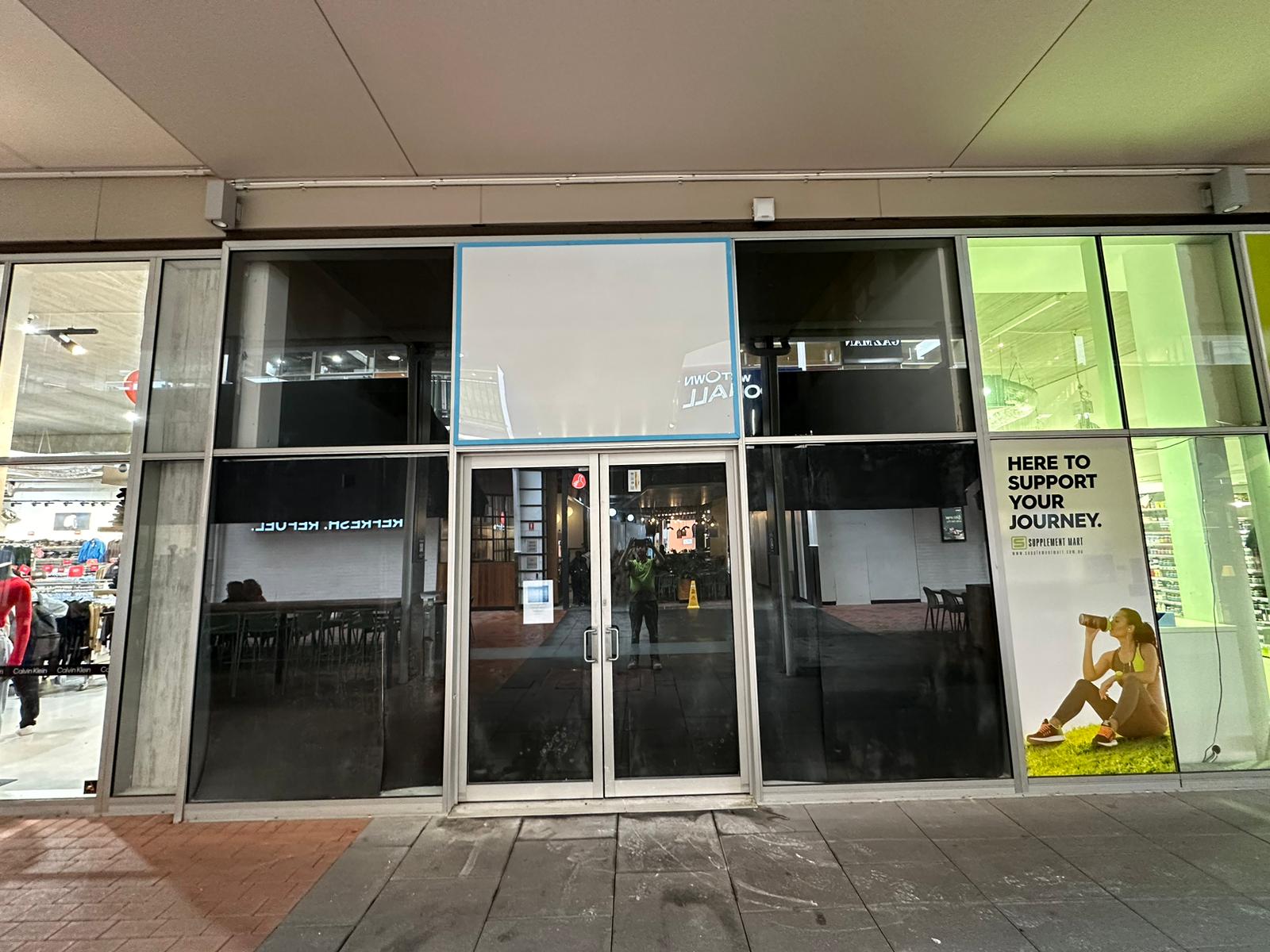
If retail hoarding is being removed inside a shopping centre, coordination with centre management is critical. Noise restrictions, trading hours, and access limitations must be followed.
Temporary fencing is sometimes installed before full Hoarding Removal begins. This maintains perimeter security while solid panels are dismantled. Without this interim barrier, a partially open site becomes vulnerable.
Professional contractors experienced in WA conditions understand how to manage these risks, particularly in coastal environments where wind can complicate removal works.

Does Hoarding Removal Differ Between Class A and Class B Hoardings?
Yes. The structural difference between class a and class b hoardings directly impacts Hoarding Removal methods.
Class A hoardings typically include overhead protection for pedestrians and require careful dismantling of load supporting elements. These systems are often engineered and certified, meaning removal must follow documented procedures.
Class B hoardings, while generally not supporting overhead loads, still require controlled disassembly to prevent panel damage and site instability.
Because of these structural differences, Hoarding Removal cannot follow a one size fits all approach. Each system must be assessed individually before dismantling begins.

How Does Hoarding Removal Affect Site Security During Project Closeout?
Security does not disappear once construction ends.
During Hoarding Removal, there may be a temporary period where the site is exposed. This is particularly relevant if final landscaping, signage installation, or inspections are still pending.
To maintain security, temporary fencing can be installed in stages. Alternatively, Hoardings to Rent may be retained in selected sections until practical completion is formally achieved.
Failing to manage this transition properly can expose equipment and newly completed works to vandalism or theft. Controlled Hoarding Removal ensures security remains intact until handover.

What Compliance Requirements Apply to Hoarding Removal in Perth?
Local councils and building managers often impose conditions on both installation and Hoarding Removal.
Permits that were issued for construction hoarding may require formal notification before dismantling. Footpath occupancy approvals may specify reinstatement conditions. In retail environments, centre management may require scheduled removal outside trading hours.
Documentation is essential. Photographic records, reinstatement reports, and waste disposal receipts protect contractors and property owners from post removal disputes.
Experienced perimeter specialists in Perth who routinely manage hoardings to rent and engineered installations understand these regulatory layers. Their familiarity with compliance expectations reduces delays during project closeout.

Is Professional Hoarding Removal Necessary or Can Builders Manage It Internally?
For small, low risk projects, internal teams may handle simple dismantling. However, in high traffic or structurally complex sites, professional Hoarding Removal is advisable.
Specialist contractors understand load sequencing, anchoring systems, and safe disassembly methods. They also coordinate traffic control where required.
From a commercial perspective, outsourcing Hoarding Removal often proves more efficient. It reduces internal labour allocation and ensures compliance documentation is completed correctly.
For developers managing multiple Perth sites, consistency in perimeter management simplifies final inspections and handovers.
Final Thoughts on Whether There Is a Proper Way to Handle Hoarding Removal
So, is there a proper way of removing hoardings in construction site environments?
Absolutely. Hoarding Removal requires planning, sequencing, safety controls, and compliance awareness. It is not simply the reverse of installation. Structural differences between class a and class b hoardings, pedestrian exposure risks, and transitional security all influence the process.
Whether dealing with retail hoarding inside a shopping centre or large-scale construction hoarding along public roads, the removal phase deserves the same level of attention as installation.
In commercial construction, the final impression matters. A controlled Hoarding Removal process protects safety, preserves public infrastructure, and closes out projects professionally.