What Are The Makegood Requirements in Perth for Commercial Lease Exits
When a commercial lease approaches expiry, attention quickly turns to one critical question: what exactly are the Makegood Requirements in Perth? For tenants, this determines cost exposure. For landlords, it protects asset value. For builders, it defines scope.
Makegood Requirements in Perth are not generic. They are shaped by lease clauses, property type, and negotiated obligations. Misunderstanding them can delay handover, reduce bond recovery, or trigger legal disputes. Understanding them early protects both commercial relationships and budgets.
Below is a structured breakdown of what Makegood Requirements in Perth typically involve and how to manage them strategically.

What Do Makegood Requirements in Perth Usually Include?
Makegood Requirements in Perth generally refer to the tenant’s obligation to restore the premises to an agreed condition at lease end. This condition may be base building standard or another agreed benchmark documented at lease commencement.
Typical components include removal of tenant installed partitions, shopfitting elements, floor coverings, signage, and non original services. This stage often overlaps with fitout removal and stripout works.
After removal, reinstatement may involve repainting, patching walls, repairing ceilings, restoring electrical layouts, or replacing damaged fixtures. These combined obligations are often referred to as Defit and Mekgood in commercial property discussions.
Because each lease is unique, Makegood Requirements in Perth must always be read in context.

How Are Makegood Requirements in Perth Defined by Lease Clauses?
The lease agreement is the primary authority.
Some agreements require a full stripout to bare shell condition. Others allow ceilings, lighting, or floor finishes to remain if they are considered improvements. Certain landlords request reinstatement to the original handover photos. Others negotiate partial restoration.
Makegood Requirements in Perth are heavily influenced by how clearly the lease describes tenant obligations. Ambiguous wording can create disputes during final inspection.
For transactional planning, reviewing the lease at least six to twelve months before expiry allows time to scope works accurately. Waiting until the final quarter often compresses timelines and increases cost pressure.

Do Makegood Requirements in Perth Differ Between Office, Retail, and Industrial Spaces?
Yes, and significantly.
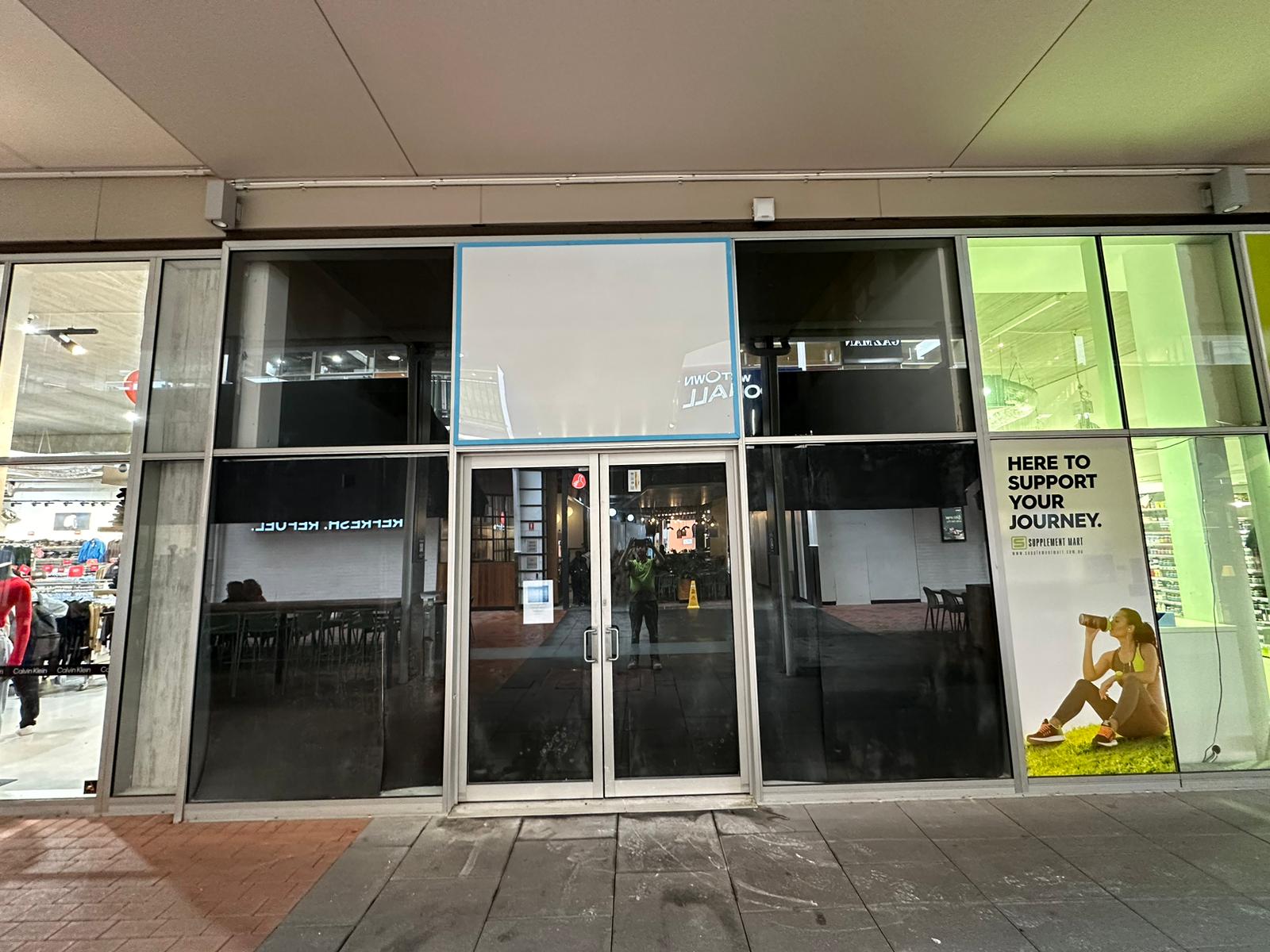
Office tenancies usually involve removal of partitions, workstations, ceiling modifications, and data cabling. Retail spaces often include complex shopfitting dismantling such as custom joinery, feature lighting, and branded facades. Industrial properties may require removal of racking, mezzanines, or specialised power installations.
These differences mean Makegood Requirements in Perth vary by asset class. A retail stripout inside a shopping centre involves access restrictions and trading hour coordination. An industrial site may require heavy equipment for structural removal.
Understanding property type ensures realistic budgeting and scheduling.

What Role Does Insurance Debris and Compliance Play in Makegood Requirements in Perth?
Compliance obligations extend beyond physical removal.
Many building managers require evidence of insurance debris coverage before stripout begins. This protects against accidental damage to common areas or structural elements during demolition.
Certified disconnection of electrical and fire systems may also be mandatory. Documentation must often be provided before final inspection.
Makegood Requirements in Perth frequently include these compliance layers. Ignoring them can delay handover approval even if physical works are complete.
Experienced commercial contractors who specialise in defit and makegood projects understand these procedural requirements and coordinate documentation accordingly.

How Much Do Makegood Requirements in Perth Typically Cost?
Costs vary depending on tenancy size, building condition, and scope of reinstatement.
A small office defit with minimal structural changes may involve moderate removal and repainting expenses. A large retail shopfitting stripout with full ceiling and service reinstatement can represent a significant financial commitment.
Because Makegood Requirements in Perth depend on lease wording and site conditions, fixed estimates without inspection are unreliable.
Commercially, early scoping protects cash flow. Transactionally, it allows tenants to negotiate scope clarifications with landlords before works begin.
Can Makegood Requirements in Perth Be Negotiated?
In some cases, yes.
Landlords preparing for redevelopment or incoming tenants may agree to reduced reinstatement obligations. Alternatively, tenants may negotiate financial settlements instead of completing physical works.
Makegood Requirements in Perth are not always rigid if discussions occur early and transparently. However, once deadlines approach, negotiation leverage decreases.
Clear communication and documented agreements are essential to avoid misunderstandings.
Why Is Early Planning Critical for Makegood Requirements in Perth?
Time affects cost.
Early review of Makegood Requirements in Perth allows for staged stripout works, asset salvage, and competitive contractor engagement. Delayed planning often results in rushed scheduling and premium labour rates.
From an asset management perspective, landlords benefit from clear reinstatement standards that prepare the space for rapid reletting. From a tenant perspective, proactive planning protects bond recovery and limits unexpected expenses.
In Perth’s competitive commercial market, specialist contractors familiar with office, retail, and industrial stripout projects quietly support these transitions, ensuring works align with both lease obligations and compliance expectations.

Final Thoughts on Makegood Requirements in Perth
Makegood Requirements in Perth are a contractual and operational responsibility tied directly to lease exit. They commonly involve fitout removal, stripout works, reinstatement, compliance documentation, and insurance debris coverage.
No two leases are identical. Property type, lease language, and building condition all influence final scope. Treating makegood as a last minute demolition task underestimates its commercial impact.
Understanding Makegood Requirements in Perth early protects tenants from financial shock, supports landlords in asset preservation, and ensures smoother commercial transitions. In lease exits, preparation is leverage.