Defit and Makegood Tips for Commercial Tenants Planning a Smooth Lease Exit
Commercial lease exits rarely go as smoothly as tenants expect. A business may spend years building a space that fits its operations, branding, and workflow, only to discover that the landlord requires the property to be returned close to its original condition. This is where proper planning becomes critical. Strong Defit and Makegood Tips can help businesses avoid delays, unnecessary costs, lease disputes, and rushed stripout work.
Many commercial tenants underestimate how complex office defit, shop defit, or warehouse defit projects can become. From fitout removal and electrical disconnection to debris disposal and compliance checks, the process often involves multiple trades working under strict timelines. Businesses that prepare early usually avoid the expensive mistakes that happen during rushed lease exits.
Understanding the difference between a simple stripout and a full makegood process is also important. A stripout focuses on removing internal fixtures, partitions, flooring, and shopfitting components. A makegood project often goes further by restoring walls, ceilings, services, and finishes to meet lease obligations.
Experienced contractors often recommend beginning the planning stage several months before the lease expiry date. This creates enough time for inspections, approvals, and scheduling trades without interrupting daily operations.

Why Are Defit and Makegood Tips Important for Commercial Tenants?
One of the most overlooked Defit and Makegood Tips is understanding the lease agreement before any work begins. Every tenancy agreement contains different restoration clauses. Some landlords may request a basic fitout removal, while others require full reinstatement of ceilings, fire systems, flooring, or mechanical services.
Without proper planning, businesses can face:
Unexpected repair costs
Delays in bond returns
Penalties for late handover
Damage disputes with landlords
Compliance problems during inspections
Commercial properties also vary significantly. A retail tenancy with heavy shopfitting installations may require more detailed stripout work compared to a small office defit project.
Businesses operating in shopping centres often deal with additional requirements involving work hours, dust containment, loading dock access, and noise restrictions. These details can impact project timelines if not addressed early.

What Should Be Checked Before Starting a Stripout Project?
A proper site inspection should happen before demolition or fitout removal starts. This inspection helps identify hidden services, structural limitations, hazardous materials, and access restrictions.
Professional contractors usually assess:
Electrical systems
Hydraulic connections
Data and communications cabling
Air-conditioning systems
Existing wall conditions
Flooring damage
Fire compliance systems
Waste disposal requirements
These inspections reduce the risk of costly surprises during the commercial defit process.
Some tenants assume all internal fixtures belong to them. In reality, certain installed services may legally remain part of the base building. Removing the wrong component can create expensive rectification work later.
This is why many Perth businesses now seek guidance from experienced defit specialists familiar with tenancy restoration requirements across retail, hospitality, medical, and office environments.

How Early Should Businesses Plan a Defit and Makegood Project?
One of the most practical Defit and Makegood Tips is to avoid waiting until the final weeks of a lease. Early planning provides flexibility, especially when multiple approvals are required.
A recommended timeline often includes:
Three to Six Months Before Lease Expiry
Review lease obligations
Arrange site inspections
Obtain project quotations
Identify landlord requirements
Schedule contractors
One to Two Months Before Handover
Begin stripout work
Coordinate waste removal
Complete fitout removal
Repair walls and ceilings
Arrange compliance checks
Final Inspection Phase
Conduct landlord walkthrough
Address defect lists
Complete final cleaning
Return site access passes
Businesses that leave projects too late often face higher labour costs because contractors may need to fast-track work schedules.

What Are Common Mistakes During Office Defit and Shop Defit Projects?
Many problems during commercial stripout projects happen because tenants focus only on demolition without considering restoration requirements.
One common issue involves damaged flooring. Heavy shopfitting removal can expose cracked tiles, adhesive damage, or unfinished surfaces underneath. If flooring restoration is required under the lease agreement, additional repairs may become necessary.
Another mistake is underestimating waste management. Large commercial defit projects can generate significant debris, especially during fitout removal involving glass, metal framing, counters, and cabinetry.
Poor coordination between contractors can also delay completion dates. Electrical contractors, demolition crews, cleaners, and waste disposal teams must often work in sequence.
Experienced project managers help reduce these risks by organising timelines and ensuring trades operate efficiently.

How Does Shopfitting Affect Defit and Makegood Costs?
Shopfitting installations can significantly influence project complexity. Retail stores often contain custom counters, signage, bulkheads, lighting systems, and decorative wall features that require careful removal.
Large hospitality venues may also include:
Commercial kitchens
Grease traps
Exhaust systems
Refrigeration units
Plumbing modifications
Removing these systems safely requires specialist trades and proper compliance procedures.
This is why businesses planning shop defit or hospitality stripout work should avoid using general demolition crews without commercial experience.
In Perth, many tenancy exit projects now involve integrated defit and makegood services because landlords increasingly expect faster handovers with minimal disruption to surrounding tenants.

What Happens During a Warehouse Defit?
Warehouse defit projects are often different from office and retail stripouts because industrial facilities usually contain larger mechanical systems and structural installations.
Warehouse defit work may include:
Mezzanine removal
Pallet racking dismantling
Roller door removal
Concrete repairs
Electrical disconnection
Warehouse office stripouts
Safety management becomes especially important because industrial sites frequently involve forklifts, elevated work areas, and heavy materials.
Businesses should ensure contractors hold appropriate licences, insurance coverage, and commercial project experience before work begins.

Can Defit and Makegood Projects Continue During Business Operations?
In some situations, yes. Certain businesses stage their stripout work after trading hours or in isolated sections of the property.
This approach is common in:
Shopping centres
Medical clinics
Hospitality venues
Multi-tenant commercial buildings
However, staged work usually requires stronger planning and communication between contractors, centre management, and tenants.
Dust control, noise management, and safe access pathways become critical when staff or customers remain onsite.
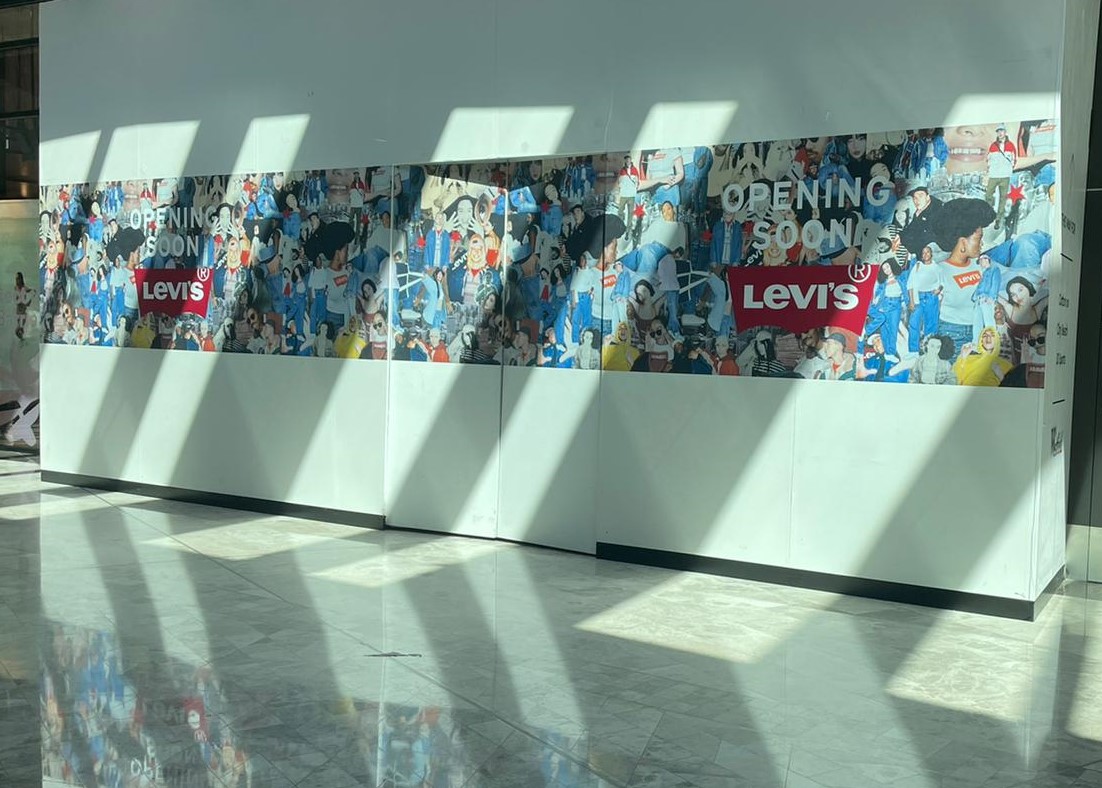
Some contractors also use temporary hoardings and protective barriers to separate active work zones from occupied areas.

What Should Businesses Look for in a Commercial Defit Contractor?
Choosing the right contractor is one of the most valuable Defit and Makegood Tips for reducing risk during lease transitions.
Businesses should look for contractors who understand:
Lease exit obligations
Commercial compliance standards
Shopfitting removal processes
Waste management procedures
Timeline coordination
Building management requirements
Contractors with experience in Perth commercial projects often understand local approval processes and building access limitations more efficiently.
Some tenants also prefer working with teams that offer both stripout and restoration services under one project schedule to simplify coordination.
Companies familiar with Perth Defit requirements often help businesses avoid compliance oversights that delay final inspections.

How Can Businesses Reduce Defit and Makegood Costs?
Cost control starts with early preparation. Businesses that plan ahead generally avoid expensive last-minute labour charges and rushed procurement costs.
Practical cost-saving strategies include:
Reviewing lease obligations early
Salvaging reusable fixtures
Scheduling works during off-peak periods
Coordinating multiple trades efficiently
Avoiding unnecessary demolition
Separating recyclable materials
Not every tenancy requires full restoration. Some incoming tenants may prefer existing layouts or partial fitouts, which can reduce removal costs if negotiated with the landlord.
Professional site assessments often identify these opportunities before unnecessary work begins.
Are Defit and Makegood Services Worth Outsourcing?
For most commercial tenants, outsourcing the project to experienced professionals reduces stress, compliance risks, and project delays.
Commercial defit work involves far more than demolition. Proper coordination between trades, waste disposal, safety systems, and restoration requirements requires technical knowledge and project management experience.
Businesses attempting to manage large stripout projects internally often underestimate the time required for approvals, inspections, and contractor scheduling.
Working with experienced specialists can simplify the process while helping tenants meet lease obligations more efficiently.

Final Thoughts on Defit and Makegood Tips
The best Defit and Makegood Tips usually come down to preparation, communication, and choosing experienced contractors. Commercial lease exits involve financial, operational, and compliance risks that can escalate quickly when businesses delay planning.
Whether the project involves office defit, warehouse defit, shop defit, or large-scale fitout removal, early coordination creates smoother outcomes for both landlords and tenants.
Businesses that understand their obligations early and work with experienced commercial teams are generally in a stronger position to complete projects on time and minimise unexpected costs.
As commercial tenancy requirements continue evolving across Perth, more businesses are recognising the value of structured defit planning rather than treating lease exits as a last-minute task.

Comments
Post a Comment