What Is A Business Defit and Why Do You Need One Before Leaving a Commercial Property?
Moving out of a commercial property is rarely as simple as packing equipment, returning the keys, and moving into the next premises. Offices, shops, warehouses, and other commercial spaces are often modified extensively during a tenancy. When that tenancy ends, some or all of those modifications may need to be removed.
This raises an important question: What is A Business Defit, and when does a commercial tenant actually need one?
A business defit is the process of removing fixtures, installations, equipment, finishes, and other alterations made to a commercial premises during its occupation. Depending on the lease and condition of the property, the work may also involve restoring parts of the premises to an agreed condition.
For tenants approaching lease expiry, understanding What is A Business Defit early can prevent an otherwise straightforward relocation from becoming a rushed and expensive project.

What Is A Business Defit in Commercial Property?
A business defit essentially reverses some or all of the changes made when a company moved into and occupied a property.
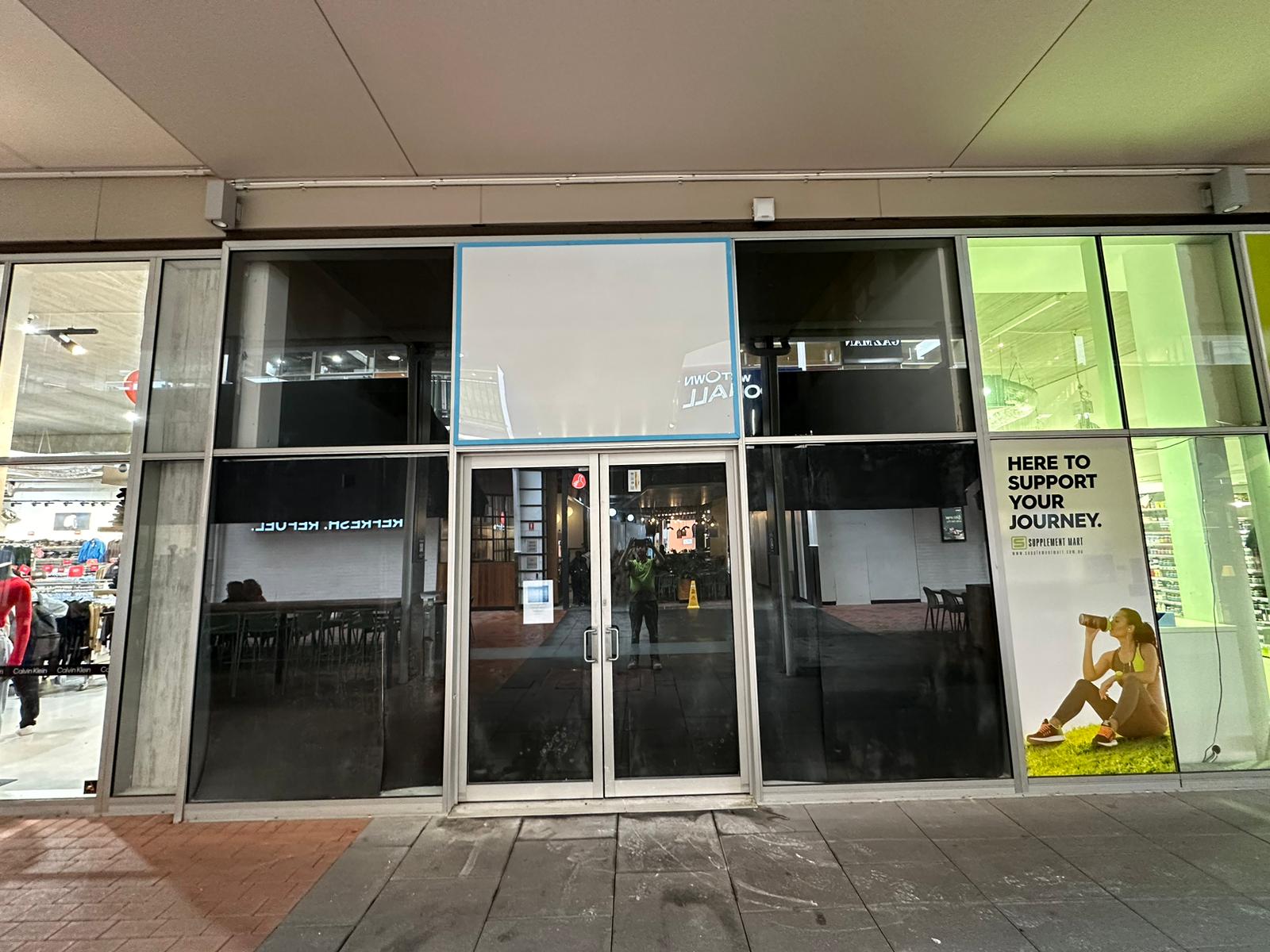
Consider an office that has installed meeting rooms, workstations, data cabling, signage, feature lighting, and partition walls. A retail business may have counters, display systems, flooring, storage rooms, signage, and custom Shopfitting.
Those additions might work perfectly for the current tenant but have little value to the landlord or the next occupant.
A business defit removes the relevant additions and prepares the premises for handover, refurbishment, redevelopment, or another tenant.
The exact scope differs from property to property. This is why the lease, handover requirements, and existing site condition should be reviewed before physical work begins.

Why Do Businesses Need Defit Work at the End of a Lease?
One of the biggest reasons is lease compliance.
Commercial leases can contain requirements concerning how the premises must be returned. A tenant may need to remove alterations, repair affected surfaces, clear unwanted materials, or restore certain areas before surrendering the property.
This is where Defit and Makegood often overlap.
Defit focuses primarily on removing the existing fitout, while makegood work addresses the condition in which the property must ultimately be returned.
Leaving this process until the final days of a tenancy can create problems. Unexpected removal work, disposal requirements, building access restrictions, and repairs can all extend the project.
If you're asking What is A Business Defit because your lease is approaching its end, reviewing the requirements early is usually the smartest starting point.

What Is Usually Removed During a Business Defit?
There isn't one standard removal list because commercial premises are fitted differently.
A typical Fitout Removal project may involve internal partitions, cabinetry, counters, shelving, signage, floor coverings, ceilings, lighting, data infrastructure, redundant services, equipment, and other tenant-installed features.
Some projects require a relatively light removal. Others involve an extensive Stripout that takes the tenancy much closer to its original or base-building configuration.
The difference matters when obtaining quotations. Two premises of identical size can require completely different scopes depending on how heavily they have been modified.
A proper site inspection should therefore happen before the work is priced and scheduled.

Is a Business Defit the Same as Demolition?
Not exactly.
Demolition is a broad term covering the removal of structures, building components, and other materials. A commercial defit is more targeted and generally focuses on removing a tenant's fitout while protecting elements that need to remain.
That distinction requires careful work.
Removing a partition without considering the electrical cabling running through it, for example, can create additional repairs. The same applies to ceilings, plumbing connections, flooring, fire systems, and other building services.
An experienced Demolition Contractor should understand what needs to disappear and, just as importantly, what needs to stay untouched.

When Should You Start Planning a Business Defit?
Ideally, planning should begin well before the final week of occupancy.
Early preparation provides time to review lease obligations, inspect the property, determine what needs removing, arrange building access, coordinate trades, organise waste removal, and complete repairs before handover.
This is particularly useful when the business itself is relocating simultaneously. Staff, furniture, stock, IT equipment, and operational assets need to move without interfering with demolition activities.
Understanding What is A Business Defit in advance lets you treat the project as part of the relocation rather than an unexpected job at the end.

How Can a Professional Defit Reduce Business Disruption?
Good defit work is partly about removal and partly about coordination.
Commercial properties may have restricted working hours, shared loading areas, neighbouring tenants, noise controls, security procedures, and specific waste-management requirements. Contractors need to work around these conditions without unnecessarily affecting other occupants.
Professional teams can also sequence the work so that reusable business assets are removed before demolition begins.
For Perth businesses dealing with more complicated commercial exits, experienced local providers such as Perth Defit may assist with coordinated removal and reinstatement work. The priority should always be selecting a contractor whose capabilities match the actual lease and site requirements rather than simply choosing the lowest quotation.

How Much Does a Business Defit Cost?
There is no reliable flat price because the scope can vary significantly.
Cost is influenced by the size of the premises, quantity of materials being removed, accessibility, complexity of the fitout, waste volumes, required repairs, working-hour restrictions, and the final condition required by the lease.
A heavily fitted restaurant, for instance, can involve considerably more work than a lightly partitioned office of a similar floor area.
The best approach is to obtain a detailed scope rather than relying solely on a basic square-metre estimate. A clear quotation should identify what is being removed, what remains, waste responsibilities, and any reinstatement work included.

FAQ: What Is A Business Defit?
What is A Business Defit compared with makegood work?
A business defit generally removes tenant-installed fixtures and alterations. Makegood focuses on restoring the property to the condition required under the lease. Many commercial exits require both services.
Do all commercial tenants need a defit?
No. Requirements depend on the lease, property condition, tenant modifications, and landlord agreement. Some tenants may only need minor removal work, while others require a complete commercial stripout.
Can a business remain operational during a defit?
Sometimes, although this depends on the scope. Staged removal may be possible, but extensive demolition and stripout work is generally easier once employees, stock, equipment, and customers have left the affected area.
Who should handle a commercial defit?
For substantial projects, a contractor experienced with commercial removal, building services, waste handling, and makegood requirements is generally the safer choice.
Preparing Your Business for a Cleaner Commercial Exit
So, What is A Business Defit in practical terms? It is the controlled process of removing the physical footprint a business leaves behind and preparing the premises for whatever happens next.
Done properly, it can help tenants meet lease obligations, reduce handover disputes, protect the existing property, and keep relocation schedules moving.
The biggest mistake is treating defit as an afterthought. Review the lease, inspect the premises, establish the required condition, and obtain a clear scope before removal begins. When the exit is planned as carefully as the original fitout, handing back a commercial property becomes far easier to manage.

Comments
Post a Comment