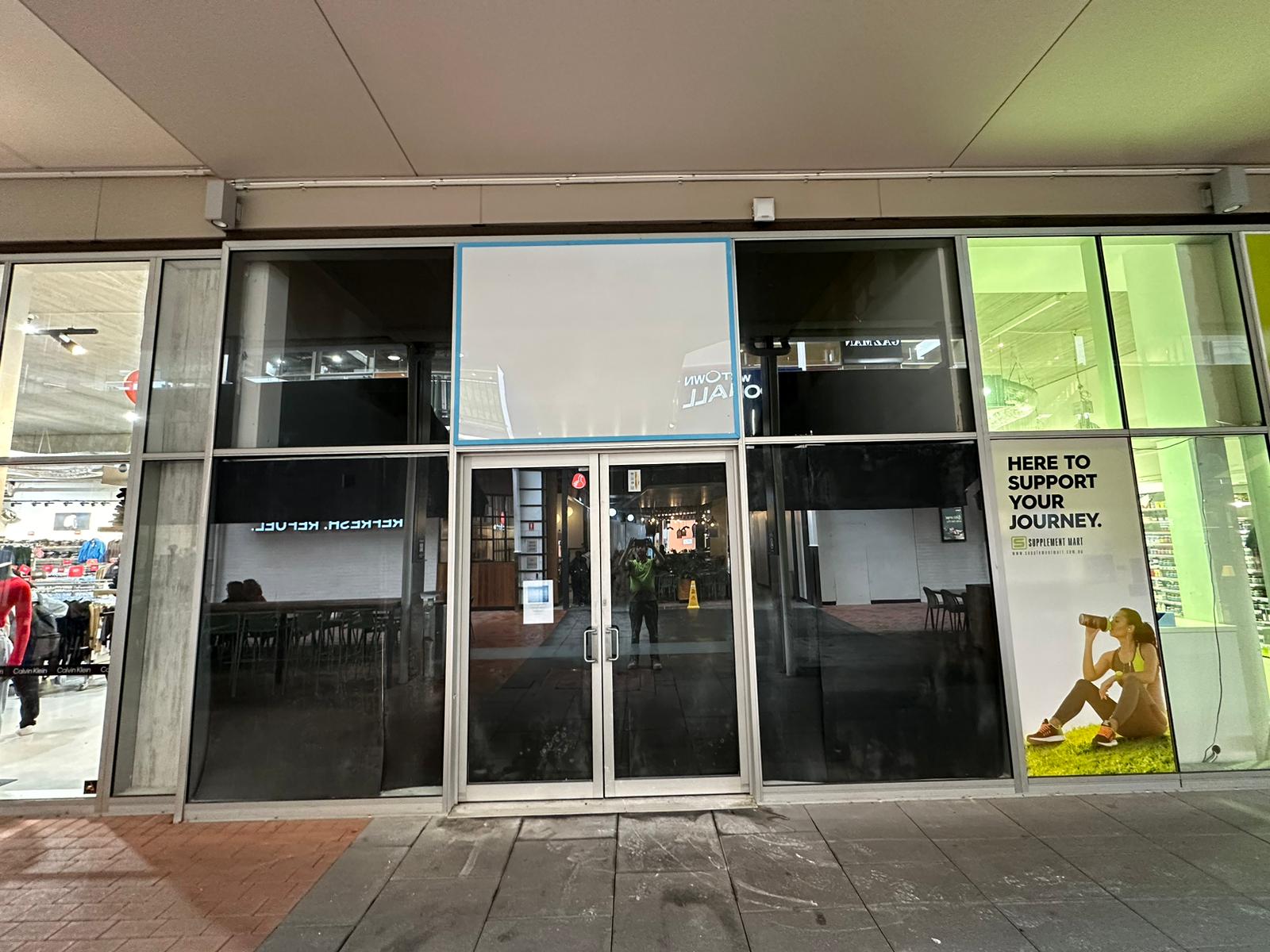
A Guide To Defit And Fitout For Commercial Spaces
Understanding how defit and fitout work is critical for any business managing a lease transition. Whether you are closing a tenancy, relocating, or preparing a new commercial space, a guide to defit and fitout helps you avoid costly mistakes, delays, and compliance issues. These two processes are often discussed together, but they serve very different purposes within the lifecycle of a commercial property.
This article explains how defit and fitout differ, when each applies, and how businesses across Perth typically manage both without disruption.

What is a defit in commercial property projects?
A defit is the structured removal of tenant-installed elements from a leased space. It is typically required when a lease ends and the tenant must return the premises to base condition. In practical terms, a commercial defit may involve removing partitions, counters, flooring, lighting, signage, and non-structural services.
Many leases specify defit obligations clearly, especially for retail and office spaces. A business makegood often follows the defit stage to ensure the site meets handover standards. Without a clear plan, defit costs can escalate quickly due to hidden services or late scheduling.
For Perth-based businesses, defit work often needs to comply with local safety standards and landlord inspection requirements, which is why early planning matters.

What is a fitout and how does it differ from a defit?
Fitout is the opposite phase of defit. While defit removes, fitout builds. A fitout transforms an empty or shell space into a functional environment ready for operation. This includes shopfitting, office layouts, joinery, electrical installation, and finishes tailored to how the business operates.
Unlike defit, fitout work is driven by operational goals rather than exit obligations. A successful fitout balances aesthetics, workflow, safety, and long-term maintenance. Poor fitout planning often leads to rework, delays, and higher operating costs.
A guide to defit and fitout makes this distinction clear so businesses do not confuse removal scope with construction scope.

When do businesses need both defit and fitout?
Most relocations involve both processes happening in parallel. A business exits one space while preparing another. This overlap is where projects either stay on track or fall apart.
For example, a retailer may complete a shop defit at their old location while finalising shopfitting at a new site. If either side runs late, the business risks downtime or double rent. Coordinating defit and fitout timelines is essential for continuity.
Experienced operators in Perth often stagger defit and fitout milestones to allow inspections, approvals, and trade availability without pressure.

How does a business makegood fit into the defit process?
Business makegood refers to restoring the premises to the condition required under the lease. It usually follows defit work and may include patching walls, repainting, repairing floors, and ensuring services are safely capped or removed.
Not all defit projects require extensive makegood, but many leases include strict handover conditions. A guide to defit and fitout should always factor makegood requirements into the defit budget to avoid disputes with landlords.

Why is compliance critical in defit and fitout projects?
Compliance affects both defit and fitout. During defit, unsafe removal of services or unlicensed works can result in penalties or failed inspections. During fitout, non-compliant layouts, fire safety issues, or accessibility failures can delay occupancy.
Commercial defit projects often require certified disconnections, waste management documentation, and safe demolition practices. Fitout projects require approvals, inspections, and adherence to building codes.
This is why many Perth projects rely on teams familiar with local compliance standards and sequencing.

How does shopfitting differ from general fitout work?
Shopfitting is a specialised subset of fitout focused on retail environments. It includes display units, counters, shelving, signage, and customer flow design. While all shopfitting is fitout, not all fitout is shopfitting.
Retail businesses need fitouts that support visibility, security, and foot traffic. Office fitouts prioritise productivity, acoustics, and flexibility. A guide to defit and fitout helps business owners align fitout choices with how the space will actually be used.

What risks occur when defit and fitout scopes are unclear?
Unclear scope leads to disputes, cost overruns, and timeline blowouts. Tenants often assume certain elements will be removed during fitout when they are actually defit responsibilities. Landlords may reject handovers if defit work is incomplete.
Clear documentation separates defit, business makegood, and fitout responsibilities. This clarity protects budgets and reduces friction between tenants, landlords, and contractors.

How should businesses plan a defit and fitout timeline?
The most effective projects start planning months before lease end or commencement. Defit planning should begin as soon as notice is given. Fitout planning should start once lease terms and approvals are confirmed.
Aligning these timelines avoids rushed work and premium pricing. Businesses in Perth often benefit from local teams that understand how defit and fitout schedules interact across multiple sites.

Why experience matters when managing defit and fitout projects
Defit and fitout projects involve sequencing trades, managing compliance, coordinating inspections, and controlling costs. Experience reduces risk. Teams familiar with defit and makegood work understand where delays typically occur and how to prevent them.
While this guide does not promote any provider directly, many Perth businesses look for specialists who handle both phases with consistency and accountability, particularly when deadlines are tight.

Final thoughts on a guide to defit and fitout
A clear understanding of defit and fitout allows businesses to exit and enter spaces without disruption. A guide to defit and fitout is not just about definitions. It is about planning, compliance, timing, and cost control.
When defit, business makegood, and shopfitting are managed as connected stages rather than isolated tasks, commercial projects move faster and with fewer surprises. If you want help turning this guide into a checklist or comparison table for clients or landlords, say the word and I will build it.