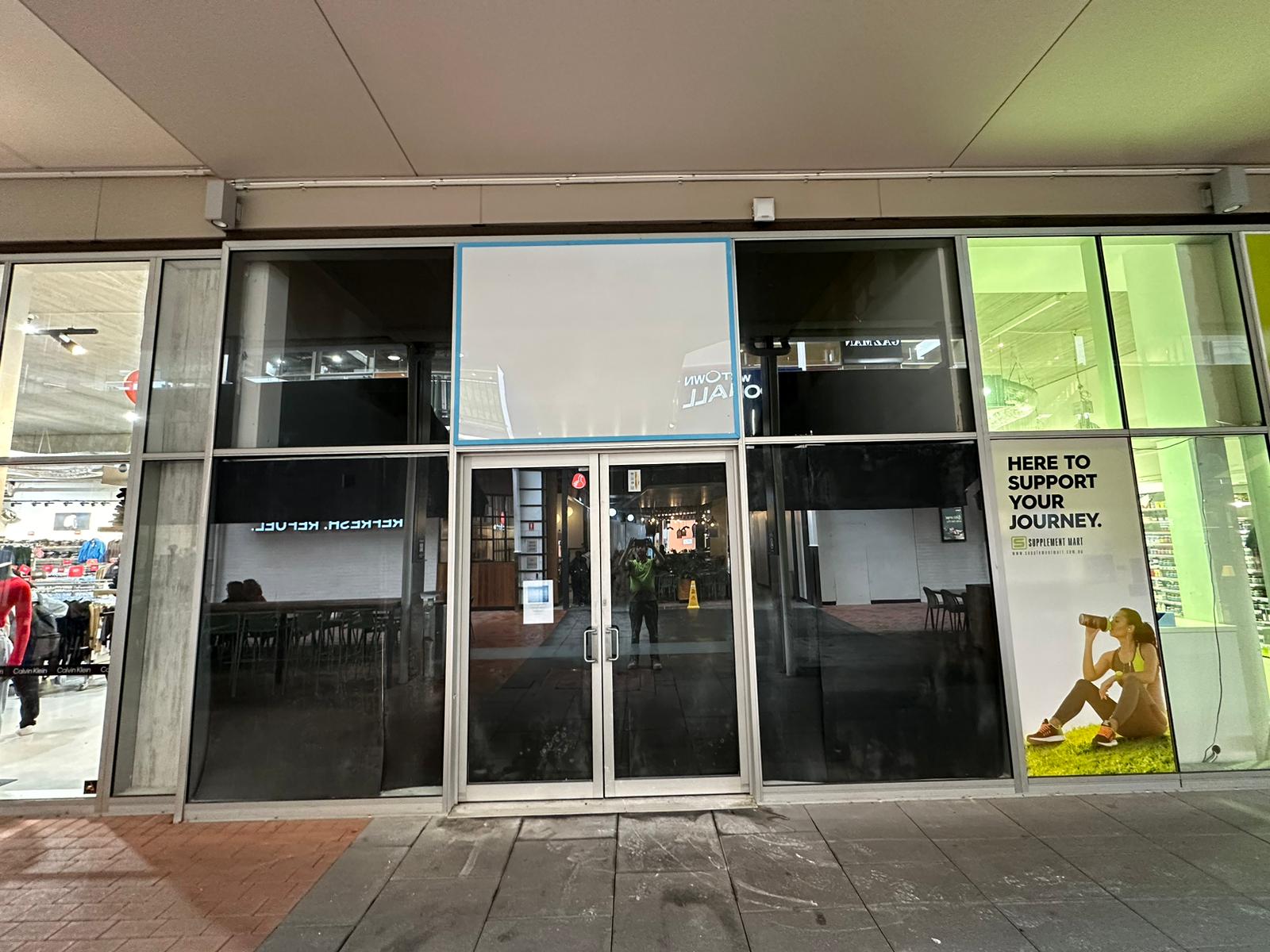
The Use of Temporary Fencing Across Construction, Events, and Commercial Projects
Temporary fencing is one of the most widely used site protection solutions across Australia. From construction projects and retail renovations to public events and infrastructure works, temporary fencing helps create clear boundaries, improve safety, and control access. Yet many project managers only think about fencing as a basic security measure.
In reality, The Use of Temporary Fencing extends far beyond keeping people out of restricted areas. It plays a critical role in risk management, compliance, crowd control, and project efficiency. Whether protecting workers on a construction site or guiding visitors through a temporary event space, the right fencing solution can help projects run more smoothly and professionally.
Understanding The Use of Temporary Fencing allows builders, property managers, event organisers, and commercial tenants to make better decisions about site protection and public safety.

What Is The Use of Temporary Fencing in Modern Projects?
The primary purpose of temporary fencing is to create a secure and controlled environment while a project is underway.
Unlike permanent fencing, temporary systems can be installed quickly, relocated when required, and removed once work is complete.
Common applications include:
Construction sites
Retail refurbishments
Commercial developments
Infrastructure projects
Community events
Festivals and exhibitions
Public works programs
Because every project has unique requirements, temporary fencing is often combined with other site protection measures such as Construction Hoarding, access gates, and pedestrian management systems.

Why Is Temporary Fencing Important for Site Safety?
One of the biggest reasons for The Use of Temporary Fencing is safety.
Construction sites contain hazards that can pose risks to workers, visitors, and members of the public. Open excavations, heavy machinery, demolition works, and material storage areas all require controlled access.
Temporary fencing helps by:
Restricting unauthorised entry
Defining work zones
Improving pedestrian safety
Reducing liability risks
Supporting compliance requirements
For project managers, fencing often serves as the first layer of site protection.
How Does Temporary Fencing Improve Site Security?
What Is The Use of Temporary Fencing for Security Purposes?
Security remains one of the most common reasons temporary fencing is installed.
Construction sites frequently contain valuable equipment, tools, and materials that may attract theft or vandalism.
Temporary fencing helps create a visible deterrent while clearly defining site boundaries.
When combined with security measures such as lighting, surveillance systems, and controlled access points, fencing contributes to a more secure project environment.

Can Temporary Fencing Be Used Instead of Construction Hoarding?
What Is The Difference Between Temporary Fencing and Construction Hoarding?
Although both systems protect worksites, they serve different functions.
Construction Hoarding provides a solid barrier that offers privacy, visual screening, dust control, and branding opportunities.
Temporary fencing is generally more cost-effective and faster to install but does not provide the same level of screening.
Temporary fencing is often used when:
Visual privacy is not required
Projects are short term
Budget considerations are important
Site layouts change frequently
Construction hoarding is commonly selected for retail and public-facing environments where appearance and dust control are priorities.
Where Does Temporary Fencing Work Best?
The versatility of temporary fencing allows it to be used across a wide range of industries.
Some of the most common applications include:
Construction Sites
Builders use temporary fencing to separate workers from the public and secure work zones.
Infrastructure Projects
Roadworks and utility upgrades frequently rely on fencing to manage pedestrian movement and protect active work areas.
Public Events
Temporary fencing is commonly used alongside Event Walls to create safe and organised event spaces.
Commercial Property Projects
Building upgrades, maintenance works, and tenancy refurbishments often require temporary fencing to maintain safety during construction activities.

How Is Temporary Fencing Used at Events?
What Is The Use of Temporary Fencing at Public Events?
Events often require temporary infrastructure to manage attendees and maintain order.
Temporary fencing helps organisers:
Direct pedestrian flow
Protect restricted areas
Separate VIP zones
Create entry and exit points
Support crowd management plans
Many event organisers also combine fencing with Display Walls to improve branding opportunities and enhance visitor experiences.
Can Temporary Fencing Be Used for Retail Projects?
Retail projects often present unique challenges because businesses may continue operating while construction works are underway.
Temporary fencing can help:
Separate work zones from customers
Improve safety during renovations
Support access management
Minimise disruption
However, many retail environments require Retail Hoardings rather than fencing because hoardings provide visual separation and a more professional appearance.

When Should You Consider Hoardings Instead of Fencing?
What Is The Use of Temporary Fencing Compared to Retail Hoardings?
Temporary fencing is excellent for flexibility and rapid deployment, but there are situations where hoardings offer better outcomes.
Hoardings may be preferred when:
Dust containment is required
Visual screening is necessary
Branding opportunities are important
Noise management is a concern
Public presentation matters
This is why many shopping centre refurbishments rely on Retail Hoardings rather than traditional fencing systems.
Is Hiring Temporary Fencing More Cost-Effective?
For many projects, temporary fencing provides a practical and economical solution.
Benefits include:
Fast installation
Flexible layouts
Easy relocation
Lower upfront costs
Scalable protection
Many contractors choose fencing because it allows them to adapt site boundaries as project stages change.
Businesses searching for Hoardings to Rent often compare fencing and hoarding options before selecting the most suitable system for their project requirements.

How Do You Choose the Right Temporary Fencing Solution?
What Should You Consider Before Hiring Temporary Fencing?
Before selecting a fencing system, consider:
Project duration
Site size
Security requirements
Public exposure
Compliance obligations
Budget limitations
Pedestrian traffic levels
An experienced site protection provider can help determine whether fencing, hoarding, or a combination of both will deliver the best outcome.
In Perth, many construction and retail projects work with specialist providers that offer temporary fencing alongside broader hoarding solutions for greater flexibility.

Conclusion
The growing demand for The Use of Temporary Fencing reflects the increasing importance of safety, security, and project control across construction, commercial, and event environments.
Temporary fencing provides a practical way to protect worksites, manage access, and reduce risk while remaining flexible and cost-effective. Whether supporting infrastructure works, commercial renovations, public events, or construction projects, it remains one of the most versatile site protection solutions available.
For organisations evaluating site protection options, temporary fencing should be viewed as part of a broader strategy that may also include Construction Hoarding, Retail Hoardings, Display Walls, and Event Walls. Many Perth-based projects continue to work with specialist providers operating within the Hoardings WA sector to create safe, compliant, and professional project environments.

Frequently Asked Questions
What Is The Use of Temporary Fencing on construction sites?
Temporary fencing helps secure sites, restrict unauthorised access, and improve safety for workers and the public.
Can temporary fencing replace construction hoarding?
Not always. Construction hoarding provides additional privacy, dust control, and visual screening that fencing cannot offer.
Is temporary fencing suitable for retail renovations?
Yes, although many retail projects prefer Retail Hoardings because they provide a cleaner and more professional appearance.
How long can temporary fencing remain installed?
Temporary fencing can remain in place for the duration of a project, provided it is maintained and complies with site requirements.
Should I choose fencing or hoardings for my project?
The best choice depends on project goals, site conditions, public exposure, and compliance requirements. Many projects benefit from combining both solutions.