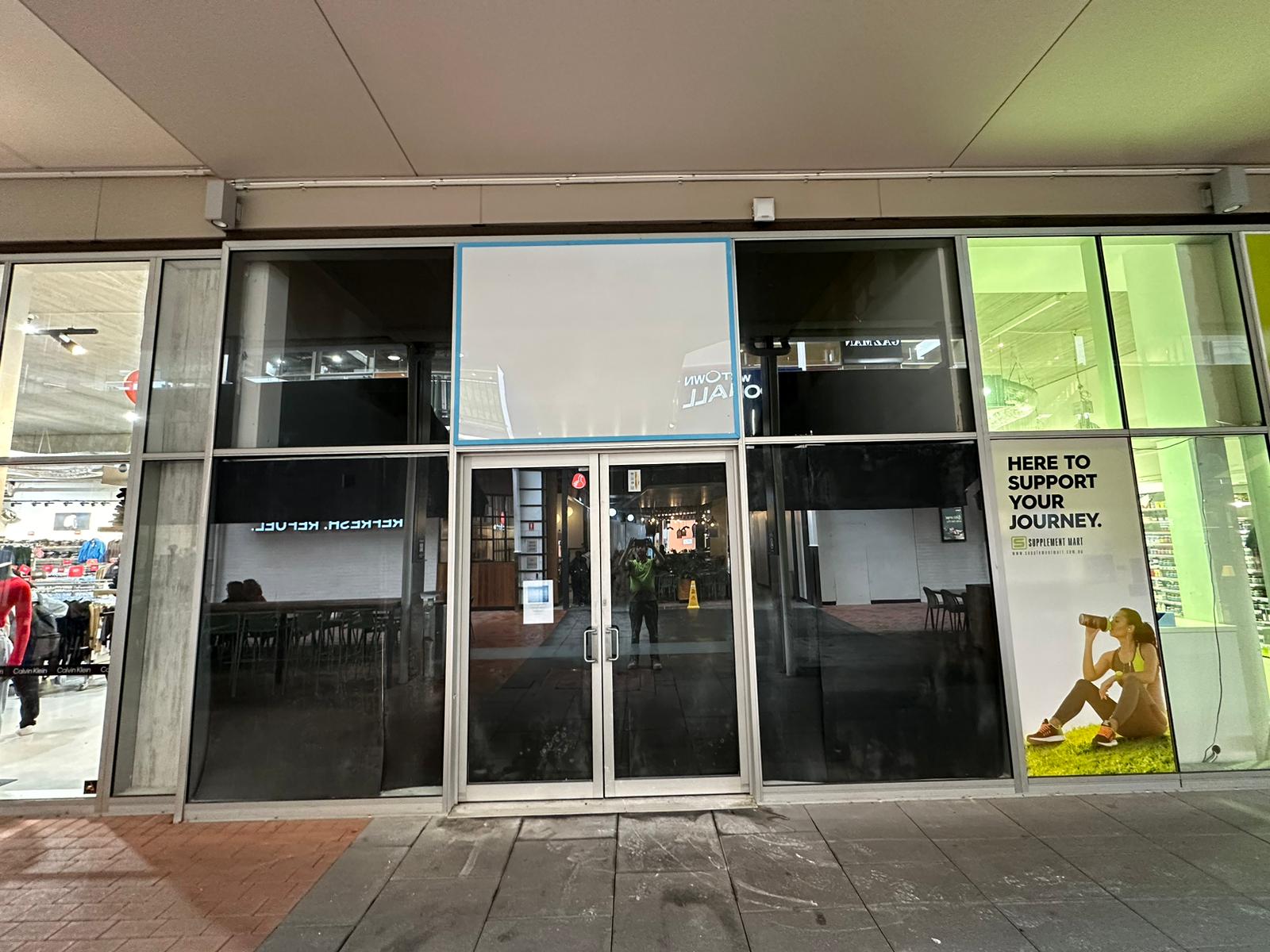
Defit and Hoardings: Why Both Are Essential for Safe and Efficient Commercial Projects
Commercial properties go through many stages during their lifecycle. A retail shop may close for refurbishment, an office may relocate to a new premises, or a warehouse may be prepared for redevelopment. While many people focus on construction or renovation, the preparation stage is equally important. This is where Defit and Hoardings work together to keep projects organised, safe, and compliant.
Understanding the relationship between Defit and Hoardings helps business owners, commercial tenants, landlords, builders, and project managers plan property transitions with greater confidence. One service prepares the inside of the building, while the other protects the outside. Together, they help create a safer working environment and a smoother project from start to finish.
Whether you are vacating a leased property or preparing for a major refurbishment, combining these services can reduce delays, improve safety, and simplify project management.

What Are Defit and Hoardings?
Defit and Hoardings refer to two complementary services used during commercial construction, refurbishment, and tenancy changes.
Defit involves removing internal fixtures, fittings, and tenant-installed features from a commercial property. Hoardings create a secure barrier around the worksite to separate construction activities from the public and neighbouring businesses.
While they serve different purposes, both contribute to a well-managed project by protecting people, maintaining site organisation, and supporting efficient construction activities.
Why Are Defit and Hoardings Important for Commercial Projects?
Commercial works often take place in busy environments where businesses continue operating nearby.
Using Defit and Hoardings together helps contractors safely remove internal fitouts while maintaining secure external boundaries. This reduces the risk of unauthorised access, protects pedestrians, and keeps demolition or renovation activities contained within designated work areas.
Planning both services together also improves scheduling and allows contractors to coordinate each stage of the project more effectively.

How Does Defit and Makegood Fit Into the Process?
Many commercial lease agreements require tenants to restore their premises before handing the property back to the landlord.
Defit and Makegood includes removing tenant-installed improvements, repairing damaged surfaces, restoring ceilings and walls, and returning the premises to the agreed lease condition.
When combined with external hoardings, contractors can complete restoration work safely while maintaining a secure perimeter around the property.
This coordinated approach helps minimise disruption during commercial renovations and tenancy transitions.
Why Is Fitout Removal an Important Part of Defit?
Fitout Removal focuses on dismantling internal features that are no longer required.
These may include partition walls, flooring, lighting systems, reception counters, ceilings, shelving, kitchens, meeting rooms, and electrical installations.
Removing these components carefully protects the remaining structure and prepares the building for refurbishment, redevelopment, or a new tenant.
Professional fitout removal also allows contractors to identify building conditions before the next stage of construction begins.

How Does Stripout Differ From Complete Demolition?
Although the terms are sometimes confused, Stripout and demolition are different services.
A stripout removes non-structural elements while preserving the main building framework. Complete demolition involves removing structural components or entire buildings.
For many commercial projects, stripout provides the flexibility to redesign internal spaces without affecting the building's structural integrity.
Understanding the difference allows property owners to choose the service that best matches their redevelopment goals.
What Role Does Shopfitting Play After Defit?
Following a commercial defit, many businesses install a completely new interior layout.
Shopfitting transforms an empty commercial shell into a functional retail store, office, hospitality venue, or showroom through the installation of customised fixtures and operational spaces.
Completing the defit properly creates a clean starting point for future shopfitting work while helping contractors complete installations more efficiently.
A well-executed defit often reduces the complexity of future fitout projects.

Why Is Commercial Defit Different From Residential Renovation?
Commercial Defit projects usually involve larger spaces, more complex building services, stricter workplace safety requirements, and tighter project schedules than residential renovations.
Office buildings, shopping centres, medical facilities, warehouses, and retail stores often remain partially operational during construction, making planning even more important.
Professional contractors understand how to coordinate commercial defit work while minimising disruption to surrounding businesses and maintaining safe working conditions.
How Can Businesses Prepare for Defit and Hoardings?
Preparation is one of the biggest factors influencing project success.
Before work begins, businesses should:
Review lease obligations.
Inspect the existing premises.
Identify fixtures scheduled for removal.
Develop a staged project timeline.
Coordinate contractor access.
Confirm utility disconnections where required.
Establish safe work zones.
Arrange final inspections.
Early planning helps reduce unexpected delays while improving communication between all parties involved.
How Can You Choose the Right Contractor for Defit and Hoardings?
Choosing the right contractor involves evaluating experience, safety practices, project management, communication, and commercial expertise.
A contractor should understand how internal defit activities interact with external site protection while coordinating multiple stages of the project.
Experienced teams working across Perth, including those involved in projects commonly associated with Perth Defit, recognise that successful commercial projects require careful planning from the initial stripout through to final site completion.
Their practical knowledge helps businesses achieve efficient project delivery while maintaining high safety standards.
Why Does Combining Defit and Hoardings Improve Project Outcomes?
Managing internal and external works together creates significant operational advantages.
Using Defit and Hoardings as part of a coordinated project helps improve scheduling, reduce contractor overlap, enhance public safety, and maintain better control over the worksite.
It also provides greater flexibility for future construction, refurbishment, or tenancy fitout activities.
A coordinated approach often results in smoother project delivery and fewer costly interruptions.

Final Thoughts on Defit and Hoardings
Understanding Defit and Hoardings gives commercial property owners, tenants, developers, and builders a clearer picture of how successful refurbishment and redevelopment projects are delivered.
Whether the project involves Defit and Makegood, Fitout Removal, Shopfitting preparation, Stripout services, or a complete Commercial Defit, integrating internal property restoration with effective external site protection creates a safer and more efficient construction environment.
By partnering with experienced commercial contractors and planning every stage carefully, businesses can minimise disruption, meet project objectives, and prepare their properties for the next phase with confidence.