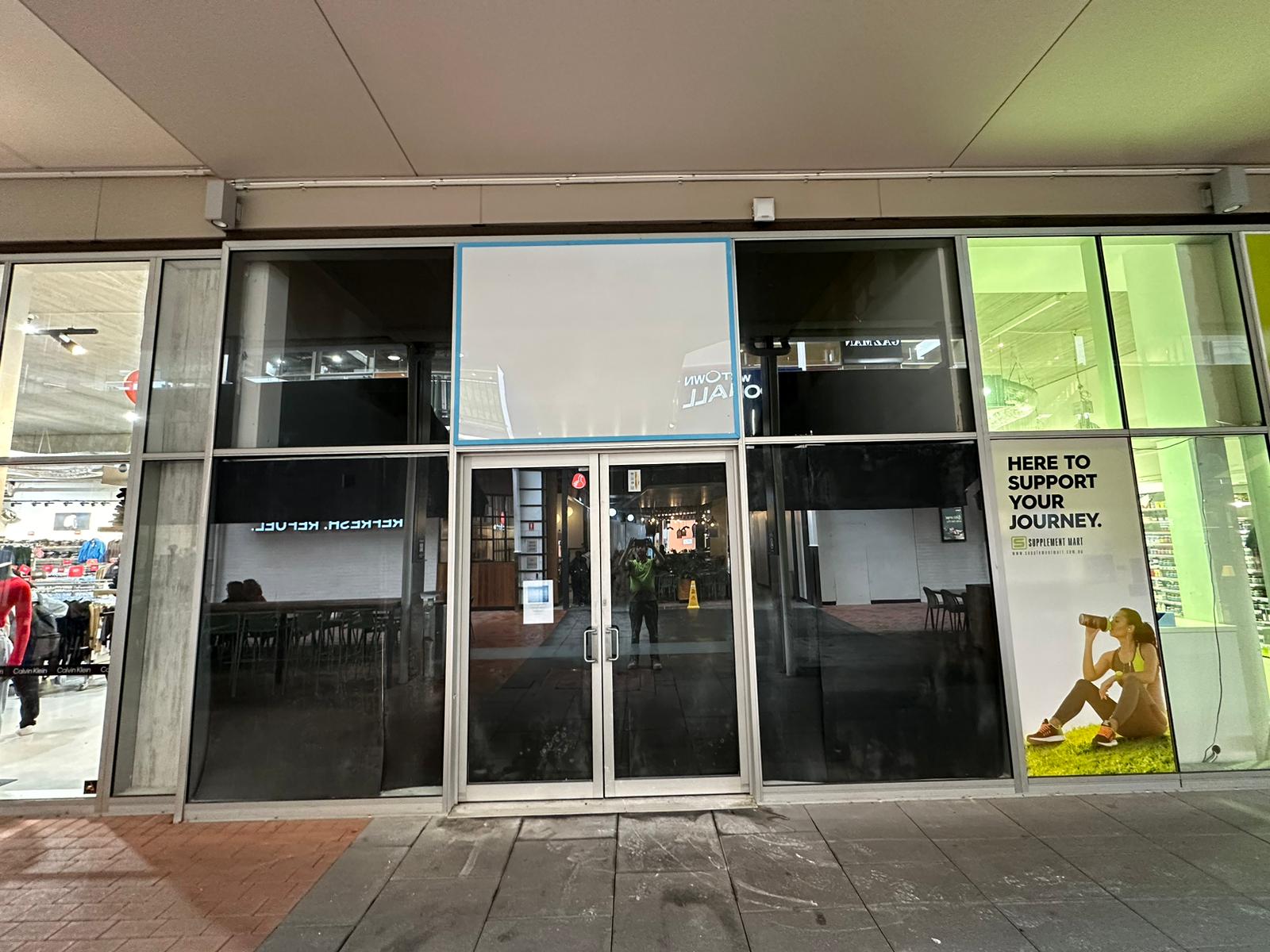
How To Safely Remove Hoardings: A Practical Guide for Construction Contractors
Installing hoardings is only one part of effective construction site management. Once a project is complete or enters its next stage, the barriers protecting the site must also be removed carefully. Poor removal practices can create hazards, damage surrounding property, and interrupt nearby businesses or public access.
Understanding How To Safely Remove Hoardings is important for builders, developers, project managers, and commercial property owners who want construction sites to remain safe until the very last day. A structured removal process protects workers, preserves reusable materials, and prepares the site for handover or the next phase of construction.
Whether the project involves a commercial development, retail renovation, or public infrastructure upgrade, safe hoarding removal should always be treated as a planned operation rather than a simple dismantling task.

Why Is It Important to Know How To Safely Remove Hoardings?
Many people assume that removing hoardings is easier than installing them. In reality, dismantling site barriers requires the same level of planning and attention to safety.
Knowing How To Safely Remove Hoardings helps reduce the risk of accidents, protects nearby pedestrians, and prevents unnecessary damage to buildings, footpaths, landscaping, and surrounding infrastructure.
Proper removal also allows reusable materials to remain in good condition, reducing waste and improving project efficiency.

What Happens Before Hoardings Are Removed?
Preparation is the first step in every successful hoarding removal project.
Before dismantling begins, contractors usually inspect the site to confirm that construction work has been completed and that removing the barriers will not expose workers or the public to unnecessary risks.
The planning stage may include reviewing access points, identifying nearby pedestrian areas, checking for remaining equipment, and confirming that removal activities will not interfere with other contractors still working on site.
A well-organised removal plan creates a safer and more efficient process.

How Are Construction Hoardings Removed Safely?
Construction Hoardings are generally removed in a controlled sequence rather than dismantled all at once.
Contractors typically begin by clearing surrounding work areas before removing external fittings, structural supports, and hoarding panels one section at a time.
This staged approach helps maintain site stability throughout the removal process while reducing the likelihood of falling materials or uncontrolled movement.
Construction Hoardings should only be dismantled by trained personnel using appropriate equipment and established work procedures.

Why Is Temporary Fencing Often Installed During Hoarding Removal?
Some construction projects still require restricted access after permanent hoardings have been removed.
In these situations, Temporary Fencing provides a flexible solution that maintains site security while allowing finishing works, landscaping, inspections, or equipment removal to continue safely.
Temporary Fencing also helps contractors manage changing work zones during the final stages of construction without exposing unfinished areas to public access.
Many commercial projects use both systems together during project transitions.

How Can Contractors Protect the Public During Hoarding Removal?
Construction sites located near shopping centres, office buildings, schools, or busy streets require additional planning when hoardings are removed.
Contractors often schedule removal activities during quieter periods while establishing temporary exclusion zones to guide pedestrians safely around the work area.
Clear communication, visible signage, and coordinated site supervision help minimise disruption while maintaining safe public access throughout the removal process.
This level of planning is particularly important in high-traffic commercial environments.

Can Hoarding Materials Be Reused?
Many modern hoarding systems are designed with reuse in mind.
Panels, structural components, and support systems that remain in good condition after dismantling can often be inspected, stored, and installed on future projects.
Reusing materials helps reduce waste while improving the long-term value of professional hoarding systems.
Careful removal also protects components from unnecessary damage during transport and storage.

What Happens to Event Walls After an Event Ends?
Event Walls are temporary structures commonly used for festivals, exhibitions, public events, and promotional activities.
Once the event concludes, contractors remove these walls carefully to restore the venue without affecting nearby infrastructure or public areas.
The removal process often follows similar planning principles used for construction hoardings, including staged dismantling, equipment coordination, and safe material handling.
Because Event Walls are frequently reused, careful dismantling is particularly important.

How Are Display Walls Removed Without Damage?
Display Walls are often installed to support advertising, promotional graphics, or temporary branding around commercial projects.
Removing these systems requires attention to both the structural components and any attached visual materials that may be reused elsewhere.
Professional contractors dismantle Display Walls methodically to minimise damage while preparing the site for future occupancy or redevelopment.

This approach supports both project presentation and sustainability objectives.
What Role Does Zipwall Play During Interior Construction?
While external hoardings protect outdoor construction sites, interior renovation projects often require temporary dust containment.
Zipwall systems create enclosed work areas that help limit the spread of dust during demolition, refurbishment, or internal construction activities.
Once interior works are complete, Zipwall barriers are removed carefully to avoid releasing accumulated dust into occupied areas.
This controlled removal process contributes to cleaner project handovers, particularly in offices, healthcare facilities, educational buildings, and commercial spaces.

How Can Businesses Choose the Right Hoarding Removal Contractor?
Businesses should select contractors with experience in both hoarding installation and removal rather than assuming every construction company offers the same level of expertise.
Important considerations include commercial project experience, safety planning, equipment availability, scheduling, and the ability to coordinate removal with ongoing construction activities.
Experienced providers working throughout Western Australia, including those involved in projects commonly associated with Hoardings WA, understand that professional hoarding removal requires the same careful planning as installation.
Their approach focuses on protecting people, property, and reusable materials throughout the process.

Why Does Proper Hoarding Removal Support Better Project Outcomes?
Removing site barriers marks one of the final stages of a construction project.
A well-managed removal process improves site presentation, reduces safety risks, protects surrounding infrastructure, and prepares the property for occupation or further development.
Understanding How To Safely Remove Hoardings helps contractors complete projects professionally while maintaining high standards until the very end.
Careful planning during this final stage reflects the overall quality of the construction project itself.

Final Thoughts on How To Safely Remove Hoardings
Learning How To Safely Remove Hoardings is essential for maintaining safety, protecting valuable materials, and ensuring a smooth transition from construction site to completed project.
Whether the work involves Construction Hoardings, Temporary Fencing, Event Walls, Display Walls, or interior containment systems such as Zipwall, following a structured removal process helps contractors minimise risk while improving efficiency.
By treating hoarding removal as a carefully planned operation rather than a simple dismantling task, commercial construction projects can be completed safely, professionally, and with minimal disruption to workers, clients, and the surrounding community.