The Difference Between Shopfront Hoarding and Building Hoarding
Hoarding is not a one-size-fits-all solution. The barrier used around a retail renovation can have very different requirements from the system installed around a large construction site. Choosing the wrong type can affect pedestrian movement, site security, visibility, and the overall presentation of the project.
Understanding The Difference Between Shopfront Hoarding and Building Hoarding helps property owners, retailers, builders, and project managers choose a system that matches the site rather than simply hiring whatever barrier is available.
Both options create separation between work areas and the public, but their purpose, installation, appearance, and practical requirements can differ significantly.

What is the difference between shopfront hoarding and building hoarding?
The Difference Between Shopfront Hoarding and Building Hoarding mainly comes down to where the barrier is being used and what it needs to achieve.
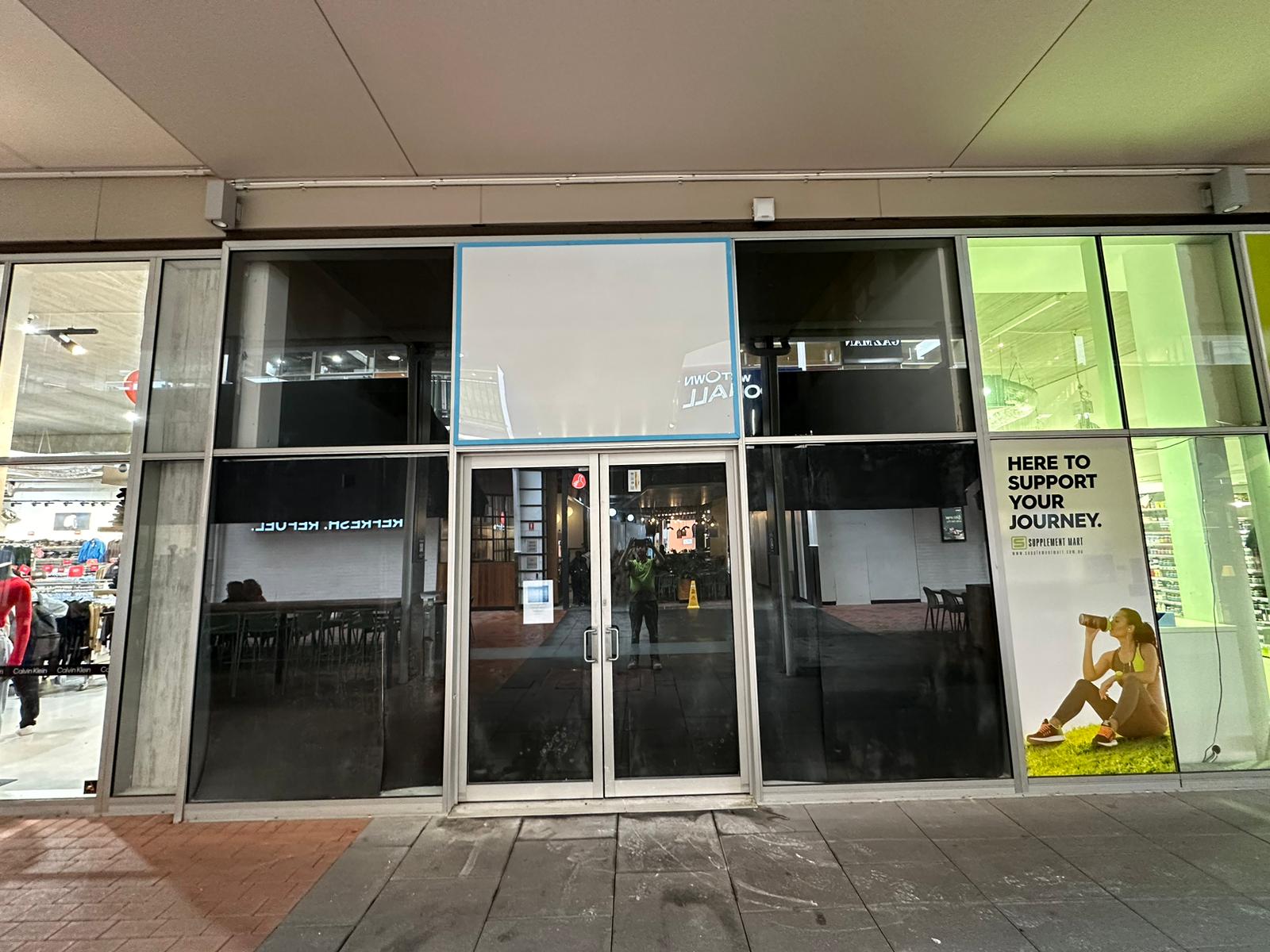
Shopfront hoarding is designed primarily for retail environments where construction, renovation, fitout work, or refurbishment is taking place close to customers and public areas. It creates a controlled boundary around the work while allowing the surrounding retail environment to continue operating.
Building hoarding is generally associated with larger construction or redevelopment projects. It can surround a broader worksite and provide separation between construction activity and surrounding pedestrians, vehicles, neighbouring properties, or public areas.
Both can provide security and access control, but the scale and requirements of the project often determine which solution is appropriate.

Why is shopfront hoarding used around retail properties?
Retail projects create a unique challenge. Construction may happen directly beside customers, neighbouring stores, shopping centre walkways, or busy pedestrian areas.
Shopfront hoarding helps isolate the work zone without necessarily shutting down the surrounding retail environment.
It can also provide a cleaner visual boundary than an open construction area. Depending on the project, the external surface can be used for signage, graphics, project information, or promotional messaging.
For retailers, appearance matters. A poorly managed work zone can make a business look closed, unfinished, or inaccessible. A well-planned hoarding system can make the construction area feel more controlled and deliberate.

What is building hoarding used for?
Building hoarding is typically used to establish a perimeter around a construction or redevelopment site.
Large projects may have heavy equipment, vehicles, building materials, excavation areas, temporary structures, and other hazards that need to remain separated from the public.
A properly planned Building Hoarding system helps establish a clear boundary and can support broader site management requirements.
The exact design depends on the project, site conditions, access points, pedestrian routes, and the type of construction taking place.

Can shopfront hoarding be used for construction projects?
It can, but the application matters.
A shopfront project may involve construction work on a relatively small footprint while the rest of the building remains occupied. In that situation, a compact hoarding arrangement may be more practical than installing a large perimeter around the entire property.
A Construction Contractor should consider the available space, public access, work area, emergency routes, deliveries, and how people will move around the site.
The objective is to contain the work without creating unnecessary disruption.

When should you use building hoarding instead of shopfront hoarding?
Building hoarding is generally more suitable when the work involves a larger site or requires a substantial perimeter.
For example, a major redevelopment may require multiple access points, vehicle gates, pedestrian controls, storage areas, and separation from surrounding roads or properties.
Shopfront hoarding is usually more appropriate when the work is concentrated around a retail frontage or internal commercial area.
The Difference Between Shopfront Hoarding and Building Hoarding therefore becomes clearer when you consider the scale of the work rather than simply the type of business operating on the property.

Are temporary fencing and hoarding the same thing?
No. Temporary Fencing and hoarding can both restrict access, but they serve different purposes.
Temporary fencing is often an open barrier that provides flexibility and visibility. It can be useful for defining work zones, controlling access, securing outdoor areas, or creating temporary boundaries.
Hoarding generally provides a more substantial and enclosed barrier. It can offer greater visual separation and privacy while creating a more defined boundary around the work area.
Some projects may use both. For example, hoarding could be installed around a public-facing retail area while Temporary Fencing is used around an outdoor work zone.

Can you rent shopfront and building hoardings?
Yes. Hoardings to Rent can be a practical option when the barrier is only required for the duration of a project.
Rental arrangements can be useful for businesses, builders, developers, and project managers who do not need to permanently own the equipment.
Before hiring, consider how long the hoarding will be required, the size of the work area, installation requirements, access restrictions, and how the system will be removed once the project finishes.
Working with an experienced local provider can also make planning easier. Hoardings WA, for example, provides hoarding solutions for different project environments without requiring every site to use the same configuration.

Which type of hoarding should you choose for your project?
Start with the purpose of the barrier.
If you are renovating a shopfront while keeping nearby retail activity open, shopfront hoarding may provide the controlled separation you need. If you are managing a larger development site with construction activity across a wider area, building hoarding may be more appropriate.
Consider pedestrian traffic, vehicle access, privacy, security, project duration, available space, and the appearance of the finished installation.
A Construction Contractor or site manager should also consider how the hoarding will interact with deliveries, emergency access, workers, and members of the public.

Why does choosing the right hoarding matter?
The Difference Between Shopfront Hoarding and Building Hoarding is not simply a matter of terminology. The wrong system can create access problems, reduce visibility, interfere with site operations, or provide inadequate separation from construction activity.
The right system supports the project instead of becoming another problem to manage.
Whether you need a temporary barrier around a retail renovation or a more substantial enclosure for a major development, choosing the appropriate hoarding starts with understanding what the site actually requires. From installation through removal, a suitable system can help keep the work area controlled, organised, and separated from the people and activities around it.