When Do You Need Retail Hoardings? A Practical Guide for Commercial Renovation Projects
If you've ever walked through a shopping centre during renovations, you've probably noticed temporary walls surrounding construction areas. These barriers are more than simple partitions. They protect customers, secure work zones, and help businesses continue operating while improvements take place. Understanding When Do You Need Retail Hoardings can help property owners, retailers, shopping centre managers, and contractors prepare for renovations with fewer disruptions and better safety outcomes.
Whether you're opening a new store, refurbishing an existing tenancy, or carrying out maintenance in a busy retail environment, installing the right hoarding system is often one of the first steps. Choosing the correct solution protects workers, visitors, and nearby businesses while presenting a professional appearance throughout the project.

Why Do You Need Retail Hoardings During Commercial Renovations?
One of the most common questions property owners ask is why temporary barriers are necessary when construction work is taking place indoors.
The answer is straightforward. Retail environments remain active throughout the day, meaning customers, employees, and delivery personnel are constantly moving through shared spaces. Construction activities introduce hazards such as falling debris, dust, exposed wiring, equipment movement, and excessive noise.
Knowing When Do You Need Retail Hoardings helps minimise these risks while maintaining a safe shopping experience. Properly installed Shopfront Hoardings create a physical separation between construction activities and public areas, allowing businesses nearby to continue trading with minimal interruption.

When Do You Need Retail Hoardings for Shop Renovations?
Retail hoardings are commonly required whenever work affects customer-accessible areas.
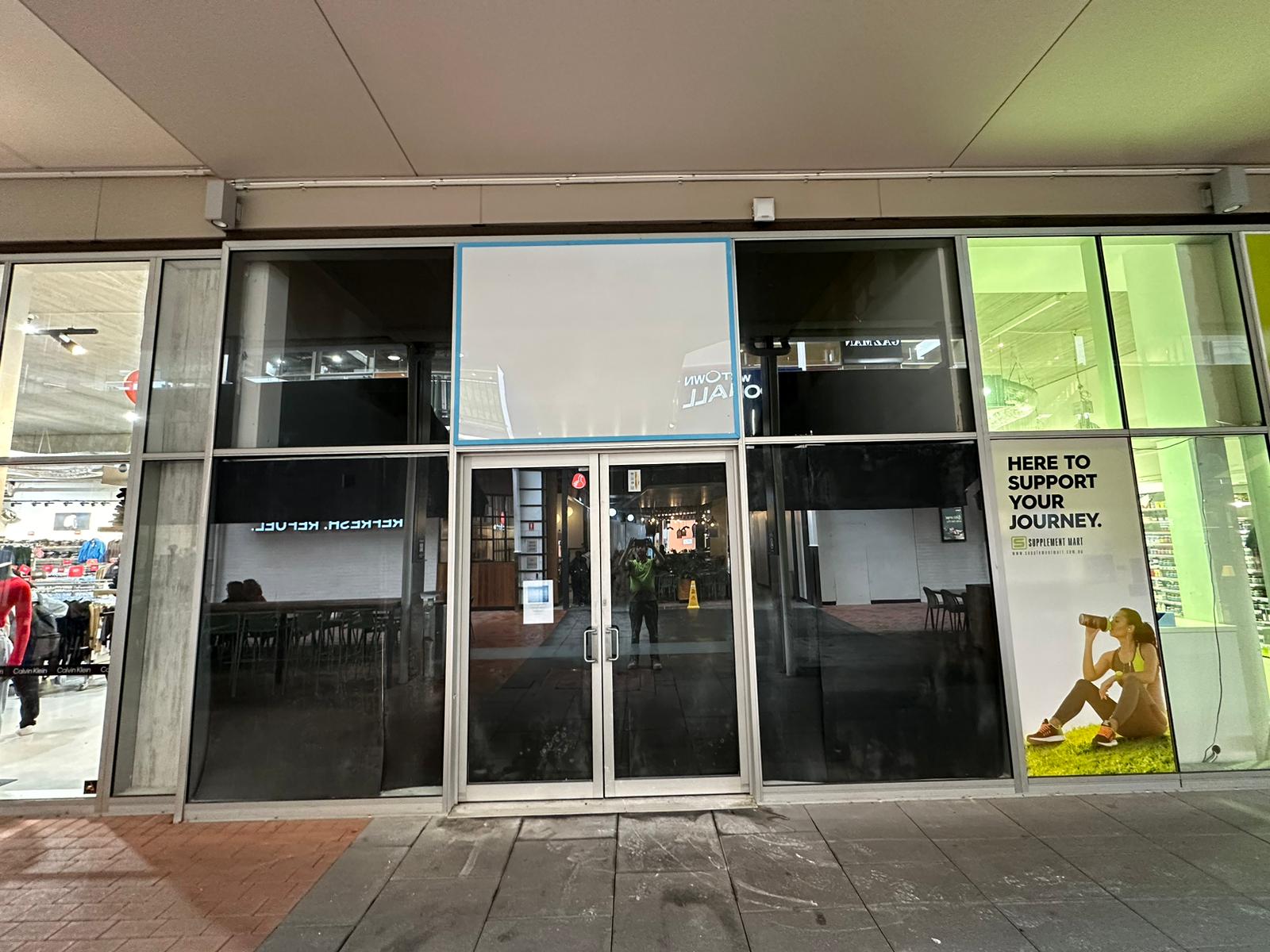
Projects that frequently require hoardings include shop refurbishments, tenancy fit-outs, retail expansions, shopping centre upgrades, restaurant renovations, and major maintenance works. They are also useful when vacant premises are being prepared for new tenants.
In many commercial developments, Construction Hoardings remain in place from demolition through final fit-out until the site is safe for public access again.
Choosing the correct installation at the beginning of the project reduces delays while helping contractors comply with site safety requirements.

How Do Retail Hoardings Improve Safety?
Safety remains the primary reason businesses invest in quality hoarding systems.
Construction sites contain numerous hazards that are not suitable for public access. Temporary barriers help prevent accidental entry while shielding pedestrians from construction materials, tools, and machinery.
Retail hoardings also assist with controlling dust, reducing visual distractions, and limiting unauthorised access after business hours.
Where external work is involved, Temporary Fencing may also be installed around loading areas, storage zones, or equipment compounds to provide additional site security.
This combination allows projects to operate efficiently without creating unnecessary risks for shoppers or neighbouring businesses.

Can Retail Hoardings Support Business Presentation?
Many people assume hoardings exist purely for safety, but they also provide valuable marketing opportunities.
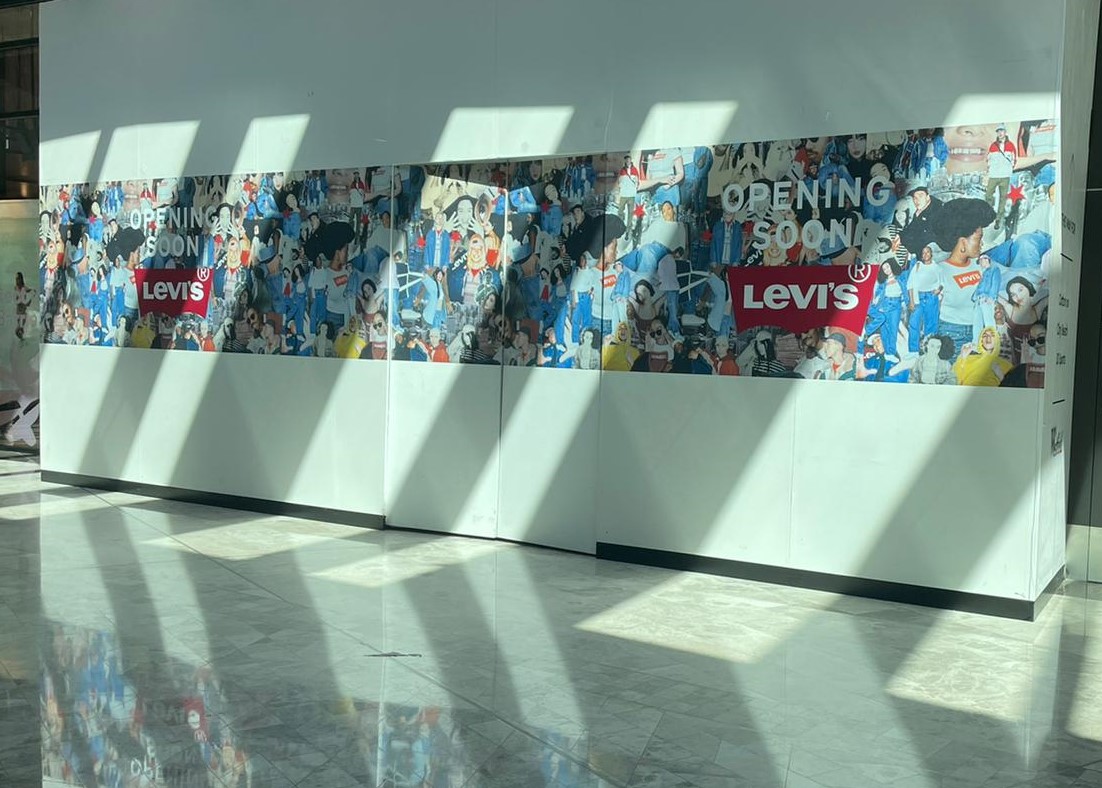
Instead of exposing customers to unfinished construction work, professionally designed hoardings create a clean and organised appearance. Businesses often display upcoming store openings, promotional graphics, leasing information, or branded artwork across the panels.
This approach keeps shopping centres visually appealing while maintaining customer confidence during renovations.
For developers managing multiple projects, attractive hoarding installations contribute to a more positive visitor experience throughout construction.

Are Retail Hoardings Better Than Other Site Barriers?
The answer depends on the project.
Unlike Building Hoardings used on larger construction sites, retail hoardings are designed specifically for public indoor environments where appearance and customer safety are equally important.
External construction projects may rely more heavily on perimeter fencing, while shopping centres generally require enclosed barriers that completely separate customers from construction activities.
Businesses looking for short-term solutions often choose Hoardings to Rent, allowing them to install compliant systems without investing in permanent infrastructure.
Selecting the right barrier depends on project duration, location, pedestrian traffic, and site requirements.

How Can You Choose the Right Retail Hoarding System?
Selecting the appropriate hoarding begins with understanding the scope of your project.
Consider the size of the work area, expected construction timeline, customer traffic, access requirements, and shopping centre regulations. Projects involving noisy demolition may require fully enclosed systems, while cosmetic upgrades may only require temporary partitions around specific work zones.
Experienced contractors also assess emergency exits, fire safety access, delivery routes, and visibility before installation begins.
Working with suppliers experienced in commercial projects helps ensure the hoarding system matches both operational needs and regulatory requirements. Companies such as Hoardings WA are often involved in projects requiring tailored solutions for retail environments, although the most suitable option always depends on the individual site.

What Should You Consider Before Installing Retail Hoardings?
Proper planning helps prevent unnecessary delays.
Before installation, project managers should confirm site measurements, identify pedestrian flow, coordinate construction schedules, and obtain any required approvals from property managers or local authorities.
It is equally important to consider branding opportunities, delivery access, emergency procedures, and maintenance requirements throughout the construction period.
Addressing these factors early allows the project to progress more efficiently while reducing disruptions for neighbouring businesses.

FAQ: When Do You Need Retail Hoardings?
When do you need retail hoardings instead of temporary fencing?
Retail hoardings are generally used inside shopping centres and commercial buildings where complete separation between customers and construction work is required. Temporary fencing is typically better suited for external construction sites.
Are retail hoardings mandatory for shop renovations?
Requirements vary depending on the project, property owner, and local regulations. Many shopping centres require hoardings whenever construction affects public access areas.
Can retail hoardings display business branding?
Yes. Many businesses use hoardings to promote upcoming openings, advertise products, display project information, or enhance the appearance of construction areas.
How long can retail hoardings remain installed?
Retail hoardings usually remain in place until construction activities have been completed and the area is considered safe for public access. The duration depends on the project's size and complexity.
Final Thoughts
Understanding When Do You Need Retail Hoardings helps businesses plan commercial renovations more effectively while protecting customers, contractors, and surrounding tenants. A properly designed hoarding system does far more than block off a work area. It improves safety, supports business continuity, enhances site presentation, and helps construction projects proceed with fewer disruptions.
Whether you're managing a retail refurbishment, preparing a new tenancy, or coordinating a shopping centre upgrade, investing in appropriate retail hoardings is a practical decision that supports both operational efficiency and public confidence. Choosing experienced professionals and the right temporary solutions from the beginning can make the entire project safer, smoother, and more successful.


Comments
Post a Comment