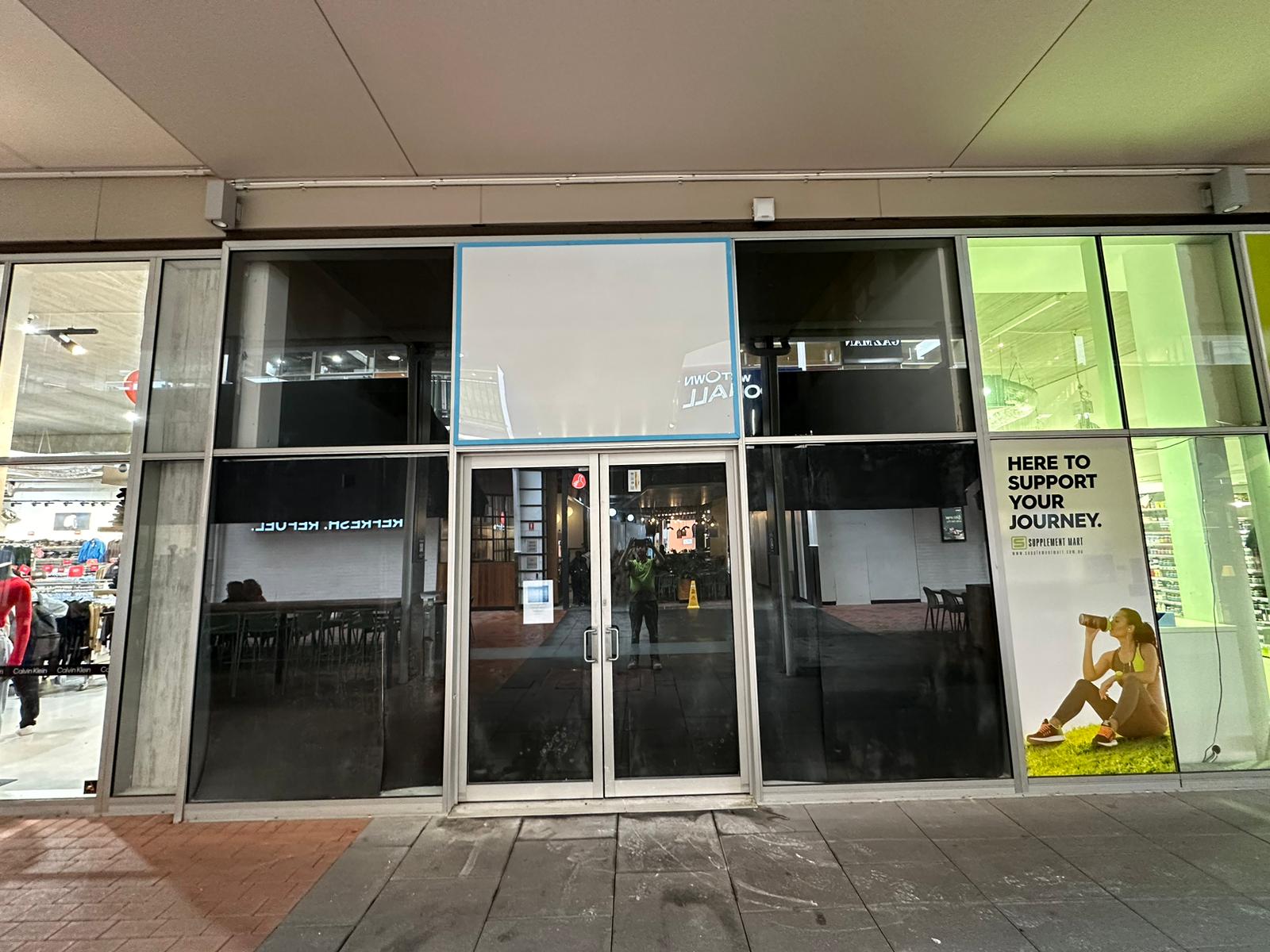
Shop Defit Regulations in Australia: What Landlords and Tenants Need to Know
Shop Defit regulations in Australia can be easy to overlook when a retail tenancy is being emptied. A tenant may see the project as removing counters, shelving, partitions and signage before handing back the keys. From a compliance perspective, however, the work can involve building approvals, demolition requirements, asbestos controls, electrical services and other obligations depending on what is being removed.
The important thing is not to treat every shop defit as the same job. A simple Fitout Removal project may have very different requirements from work involving structural elements or hazardous materials.
For landlords and tenants planning a retail handover, understanding the relevant Shop Defit regulations in Australia before work begins can help keep the project organised and avoid unnecessary delays.

What are the Shop Defit regulations in Australia?
There isn't one national set of rules covering every shop defit in exactly the same way. Building and workplace safety requirements are administered through different laws and authorities, including state and territory legislation.
In Western Australia, for example, fitout work in existing buildings can require a building permit unless an exemption applies. The permit system also considers the approved use and classification of the building.
That means a tenant shouldn't assume that removing a fitout is automatically exempt from approval requirements. The actual scope needs to be assessed.

Does removing a shop fitout require a building permit?
It can, depending on the work.
WA guidance states that building permits generally apply to fitout work unless the work falls within an exemption under the legislation or regulations. Simple activities such as replacing movable furniture or carrying out painting and decorating will generally not require a building permit, but more substantial alterations can be different.
For a shop Defit, the key question is what is actually being altered or removed. A contractor may be taking out tenant-installed fixtures, but if the project affects building elements or services, further assessment may be required.

When does a shop Stripout become demolition?
This is one of the most important distinctions for commercial tenants.
A Stripout can involve removing non-structural elements such as shelving, counters, partitions, floor coverings or other Shopfitting components. That doesn't automatically make the project structural demolition.
The situation changes if the work involves structural components or affects the physical integrity of the building. In WA, certain demolition work requires a licensed demolition contractor, including demolition or dismantling of a structure 2 metres or higher that isn't a single-storey dwelling.
Before engaging a contractor, establish whether you're arranging ordinary Fitout Removal or regulated demolition work.

What asbestos rules apply to shop defit work?
Asbestos is a major consideration when working in older commercial premises.
WA workplace requirements state that asbestos at workplaces must be identified, labelled and assessed, with an asbestos register and management plan required in relevant circumstances. Removing more than 10 square metres of non-friable asbestos generally requires a licensed removalist, while any amount of friable asbestos requires a Class A licence.
This matters because older shops can contain asbestos-containing materials in areas that aren't obvious during the initial inspection.
Don't wait until a wall, ceiling or flooring is being removed to investigate. If asbestos could be disturbed, deal with the issue before the relevant Defit and Makegood work starts.

Does a shop defit require a licensed demolition contractor?
Not every shop defit requires a demolition licence.
The requirement depends on the nature of the demolition work and the applicable jurisdiction. In WA, Class 1 and Class 2 demolition work requires the appropriate licence, with the classification depending on factors such as building height and how the demolition is performed.
A Demolition Contractor should therefore be selected according to the actual scope rather than simply the size of the quotation.
For a Perth retail project, a provider such as Perth Defit may be considered for commercial Defit and Makegood work, but the specific project should determine which licences, approvals and specialist trades are needed.

What safety requirements apply during a commercial shop defit?
Shop defit work can involve more than physical removal.
Workers may encounter electrical services, unstable materials, dust, hazardous substances, working-at-height risks and equipment operating within a confined commercial environment.
Where demolition work constitutes high-risk construction work, a Safe Work Method Statement may be required. WA WorkSafe also requires notification for certain Class 1 and Class 2 demolition work.
The contractor should therefore have a work method that reflects the actual premises, access conditions and removal sequence.

Are electrical and other building services covered by shop defit regulations?
They can be an important part of the project.
A shop may contain lighting, power points, data cabling, plumbing, air-conditioning components and other services installed as part of the original Shopfitting.
Simply cutting or disconnecting these services without the appropriate person handling the work can create safety and compliance issues. The scope should identify which services are being retained, relocated or removed and which specialist trades are required.
This is one reason a detailed site assessment is more useful than quoting a shop Defit from a basic list of fixtures.

Who is responsible for permits during a shop defit?
Responsibility depends on the project and contractual arrangements.
A landlord, tenant, builder or contractor may have different responsibilities for approvals and notifications. In WA, the relevant local government acts as the permit authority for building approvals, and demolition permits can apply to complete or partial demolition.
Before work starts, put the responsibility in writing. Don't assume that the person carrying out the physical removal is automatically responsible for every approval connected with the property.

How should Insurance Debris be handled during a shop defit?
Insurance Debris needs additional consideration when a retail premises has been affected by fire, flooding or another insured event.
Materials may need to be documented, assessed or retained before disposal. Removing damaged items without confirming the process can create complications for an insurance assessment or claim.
The contractor, landlord, tenant and insurer should establish who can authorise disposal before clearance begins.

What should you check before hiring a shop defit contractor?
The quotation should be based on the actual scope, not simply the number of rooms or the apparent size of the shop.
Ask the contractor to explain what will be removed, what will remain, how waste will be handled, whether Makegood work is included and whether specialist trades are required.
For regulated demolition work, confirm that the contractor holds the appropriate licence. For asbestos-related work, verify that the required licensed removalist is being used.
A clear scope also makes it easier to compare quotations because you're comparing substantially similar work.

FAQ: Shop Defit Regulations in Australia
Do all shop defits require a permit?
No. Requirements depend on the work being undertaken and the applicable state or territory rules. Some minor work may be exempt, while substantial alterations or demolition can require approval.
Is a shop Stripout the same as demolition?
No. A Stripout generally involves removing selected fixtures and fitout elements. Structural demolition involves dismantling or removing structural components and can trigger additional licensing and safety requirements.
Can a tenant remove shop fittings without asking the landlord?
The lease should be checked first. Even where removal is physically possible, the tenant may have contractual obligations regarding reinstatement and the condition of the premises at handover.
Does asbestos affect shop Defit regulations?
Yes. If asbestos could be disturbed, specific identification, management, licensing and notification requirements may apply depending on the material and jurisdiction.
Does every shop Defit require a Demolition Contractor?
No. The appropriate contractor depends on the scope. Non-structural Fitout Removal may not require a licensed demolition contractor, while regulated demolition work can.
Why should shop defit regulations be checked before work starts?
Because the scope can affect permits, licences, asbestos controls, safety documentation and the people who are legally permitted to carry out particular tasks.
Understanding Shop Defit regulations in Australia starts with identifying exactly what is being removed. From there, landlords and tenants can establish whether the project involves ordinary Fitout Removal, a more extensive Stripout, Defit and Makegood work, or regulated demolition.
For Perth projects, checking the applicable WA requirements before the contractor starts can help keep the work compliant and the handover much more predictable.