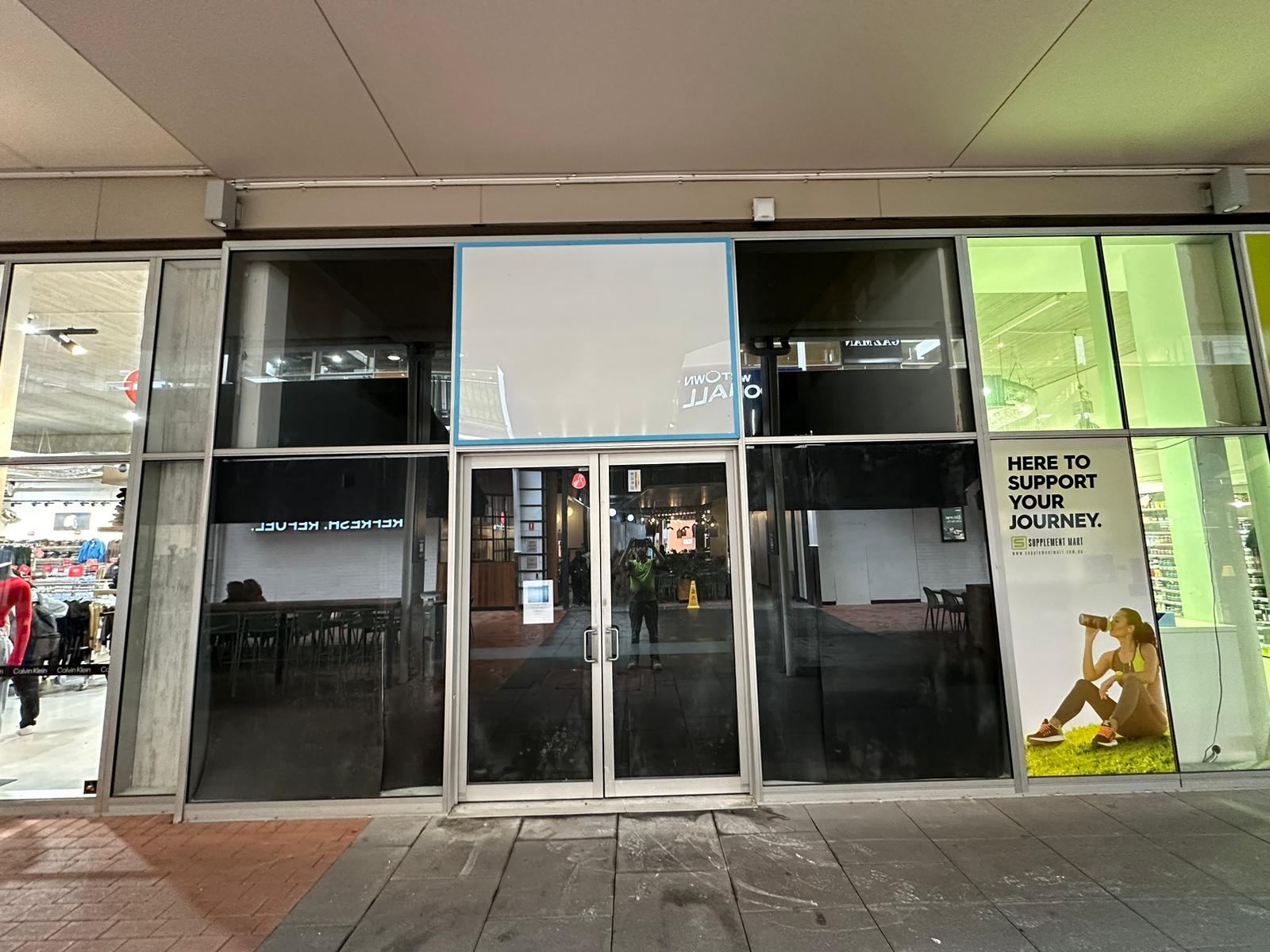
Construction Hoarding Provider in Perth: Plan Your Site Protection Before Work Begins
A construction project can be ready on paper but still face problems before the first major task begins. Deliveries need a clear route, workers need a controlled work area, and pedestrians or neighbouring businesses must be kept away from potential hazards. Without a suitable site protection plan, these details can become costly distractions once work is underway.
Choosing the right construction hoarding provider in Perth helps builders and project managers address these requirements early. Instead of treating hoardings as an item to organise at the last minute, they can plan the site boundary around the actual work, the people nearby, and the project's changing needs.
For commercial developments, refurbishments, retail fit-outs, and infrastructure projects, the right setup can support safer access, a more organised worksite, and a professional appearance throughout construction.

What Should You Expect From a Construction Hoarding Provider in Perth?
A reliable provider should offer more than panels delivered to a site. The real value comes from understanding how the proposed barrier system will function within the project.
Before recommending a solution, a provider should consider the site layout, expected construction activities, pedestrian movement, available installation space, and the level of protection required. A busy retail entrance, for example, presents different challenges from an industrial worksite with limited public access.
The following areas deserve attention before making a decision.
1. A solution suited to your actual worksite
Not every project needs the same type of barrier. Some locations may require solid hoardings to separate construction from public areas, while others may be better suited to temporary mesh fencing for general site security.
A professional assessment should help identify the appropriate system rather than simply supplying whatever panels are readily available.
2. Clear planning for access and movement
Barriers must protect the work area without creating avoidable problems for people moving around it. Site entrances, delivery routes, pedestrian paths, emergency access, and nearby business entrances should all be considered during planning.
Where work affects public space, additional approvals or specific access arrangements may be necessary. These requirements should be checked for the project's location and scope before installation.
3. Equipment that suits the project conditions
Wind exposure, uneven surfaces, internal floor finishes, available clearance, and the height of the proposed structure can influence which system is suitable.
For projects requiring engineered protection, ask how the proposed arrangement will be assessed and documented. The system's suitability depends on the specific design and installation conditions, not simply on the product name.

Construction Hoardings or Temporary Fencing: Which One Do You Need?
One of the first decisions is whether the project needs a solid barrier, open mesh fencing, or a combination of both.
The table provides general guidance, not a substitute for a site assessment. The final choice should reflect the hazards, location, design requirements, and applicable regulations.

When are solid construction hoardings the better option?
Solid Construction Hoardings may be appropriate when a project needs a more enclosed boundary, particularly around public-facing construction work. Depending on the design, they can help separate the work zone from nearby activity, limit direct visibility into the site, and support dust-control measures.
They are often worth considering for commercial refurbishments, shopping centre upgrades, building works beside pedestrian areas, and projects where site presentation matters.
When is temporary fencing sufficient?
Temporary Fencing can be a practical choice for defining boundaries around suitable construction areas, material storage zones, and work areas that do not require a solid enclosure.
However, the decision should not be based on price alone. If the site is exposed to the public, has particular wind or impact risks, or needs a higher level of separation, a more specialised system may be necessary.
A knowledgeable provider can help determine whether one solution is appropriate or whether different systems should be used in separate parts of the site.

How the Right Hoarding Plan Can Prevent Construction Delays
A barrier installation affects more than the appearance of a worksite. Poor placement can interfere with deliveries, reduce usable working space, obstruct entrances, and force contractors to change their movements after construction has started.
These issues are easier to address before the site becomes busy.
Coordinate hoardings with the construction schedule
The site boundary may need to change as work progresses. Demolition, structural works, services installation, and finishing stages can all create different access requirements.
A practical plan considers these stages in advance. It identifies where barriers need to remain fixed, where access may need to change, and whether the project could benefit from a modular system that can be reconfigured.
For builders managing multiple trades, this coordination can help reduce unnecessary disruption and make site logistics easier to manage.
Check the installation requirements early
Some systems need specific support arrangements, engineering documentation, or additional measures because of their height, exposure, or location. Other sites may have restrictions on fixing into floors or existing building finishes.
Discussing these matters before installation gives the project team more time to identify constraints and organise the necessary approvals or supporting documentation.
Allow for maintenance and changes
A barrier system should remain suitable throughout the period it is needed. Site conditions can change, panels can be damaged, and access requirements may shift as work progresses.
Clarify who is responsible for inspections, reporting damage, arranging repairs, and coordinating changes. Having a clear process helps avoid uncertainty when an issue arises.

Why Perth Projects Need Site-Specific Hoarding Solutions
Construction conditions can differ significantly across Perth. A refurbishment in the CBD may involve narrow pedestrian routes, neighbouring businesses, and restricted delivery access. An industrial project in Welshpool or Osborne Park may place greater emphasis on vehicle movements, site boundaries, and access for equipment.
Coastal exposure, open sites, uneven ground, and existing building finishes can also affect the suitability of a proposed system.
This is why a construction hoarding provider in Perth should assess the project rather than rely on a standard setup for every location.
For work involving public footpaths or road reserves, check the requirements of the relevant local authority. The City of Perth, for example, publishes guidance for hoardings, gantries, and scaffolding erected within its road reserve, including considerations for public safety and pedestrian movement. Requirements can differ by location and project. City of Perth hoarding and gantry guidelines.
Local knowledge is useful when it helps the project team identify these practical issues early, communicate with the relevant parties, and select a solution that suits the actual worksite.

More Than Site Boundaries: Additional Solutions for Construction Projects
Some projects need more than a perimeter barrier. A provider with a broader range of site solutions may help coordinate several requirements through one project plan.
Hoardings to Rent for Flexible Project Requirements
Buying barriers is not always the most practical option, particularly when equipment is needed for a defined construction period. Hoardings to Rent can give builders access to the required system without taking on long-term ownership and storage responsibilities.
Rental arrangements can be useful when project durations vary or when the quantity and configuration of barriers may change. Before hiring, confirm what is included in the arrangement, such as delivery, installation, alterations, maintenance responsibilities, and removal.
The best option depends on the duration of the project, the equipment required, and the terms offered.
Retail Hoardings and Shopfront Hoardings
Retail work brings additional considerations because construction may take place beside active shops, customer entrances, food outlets, or shared walkways.
Retail Hoardings and Shopfront Hoardings can help create a clear boundary around the work area while allowing surrounding businesses to continue operating where the site arrangement permits. Appearance also matters in these settings, as poorly planned barriers can make a shopping area feel difficult to navigate.
The installation should account for pedestrian flow, accessible routes, signage, deliveries, and any centre-specific requirements.
Construction Portals for Controlled Access
A Construction Portal can provide a defined passage through or beneath a suitable construction barrier arrangement. Depending on the project design, this may help manage movement where a normal opening would not provide the required protection.
Portal selection and installation should be based on the site layout, structural design, clearance requirements, and intended use. It is important to confirm that the proposed system is suitable for the specific location.
Traffic Management and Public Movement
Projects near roads, driveways, loading areas, or busy pedestrian routes may need coordinated Traffic Management alongside the hoarding arrangement.
The two functions are related but not interchangeable. Hoardings establish separation around a work area, while traffic management addresses the safe and organised movement of vehicles and other road users. Where both are needed, their layouts should be planned together to avoid conflicting access arrangements.
Event Walls and Digital Display Walls
Some temporary projects have requirements that extend beyond construction security. Event Walls can help define temporary event spaces, while Digital Display Walls may provide a way to communicate information or display approved messaging in suitable locations.
For developments, temporary activations, and public-facing projects, these options can help combine site separation with communication and presentation. Their use should be coordinated with the site's operational needs and any relevant permissions.
Pool Fence Requirements
A Pool Fence is a specialised safety application and should not be treated as interchangeable with ordinary construction fencing. Where temporary pool protection is required, the chosen system must be suitable for the particular pool, site conditions, and applicable Western Australian requirements.
Confirm the relevant requirements before work begins, particularly where construction activities could affect an existing barrier or create a new hazard.
What Should You Ask Before Hiring a Construction Hoarding Provider in Perth?
Before accepting a quote, ask questions that reveal whether the provider understands the practical demands of your project.
What system do you recommend for this site? Ask the provider to explain why the proposed solution suits the work area, exposure, and level of separation required.
What engineering or certification documentation is available? Confirm the documents applicable to the proposed system and installation.
Does the quote include installation and removal? Check for delivery, labour, alterations, and any additional charges.
How are changes handled during construction? Establish how requests to move, extend, or modify the system will be assessed and priced.
Who handles repairs and maintenance? Make responsibilities clear before the equipment is installed.
What site information do you need from us? Plans, measurements, access restrictions, construction schedules, and details of nearby public areas may all be relevant.
Are approvals or permits required? Identify which permissions need to be obtained and who is responsible for coordinating them.
Comparing providers using these questions gives you a more useful basis for making a decision than comparing the initial price alone.
Why Work With Hoardings WA?
For builders, developers, and commercial project teams looking for a construction hoarding provider in Perth, the priority is finding a solution that fits the site and can support the work from installation through to removal.
Hoardings WA supplies construction hoarding systems, temporary fencing, rental options, and specialised products for different work-zone requirements. Its range includes impact-certified and wind-loading-certified hoardings, Construction Portals, security barriers, dust-suppression work zones, and display wall options. The suitability of any product depends on the individual project and its design requirements.
Rather than choosing a system before the site has been assessed, discuss your project's layout, schedule, access requirements, and protection needs with the team. This creates a clearer starting point for identifying the right arrangement and understanding what is required before installation.
Frequently Asked Questions
How do I choose a construction hoarding provider in Perth?
Look for a provider that understands your project type, can recommend a suitable barrier system, explains installation requirements, and clarifies its responsibilities for delivery, maintenance, changes, and removal. Ask for relevant engineering or certification documentation where required.
How much does construction hoarding cost in Perth?
The cost depends on the length and height of the hoarding, system type, site conditions, hire period, installation complexity, and any additional requirements. The most useful way to compare quotes is to provide the same project details to each provider and check what each price includes.
Should I hire or buy construction hoardings?
Hiring can suit projects with a defined duration or changing requirements, while purchasing may be worth considering for organisations with frequent, ongoing demand and the capacity to store and maintain equipment. Compare the full costs and responsibilities rather than the initial price alone.
Can construction hoardings be installed inside an existing building?
Some systems are designed for internal use, including locations where protecting existing floor or ceiling finishes is important. Suitability depends on the system design, available space, support requirements, and the building's conditions. Confirm these details before installation.
Do construction hoardings need council approval in Perth?
Approval requirements depend on the location, the proposed structure, and whether the installation affects public land, footpaths, roads, or other controlled areas. Check with the relevant local authority and project stakeholders before installation rather than assuming the same rules apply to every site.
Can I combine construction hoardings with temporary fencing?
Yes, where the site layout and risk assessment support using different systems in different areas. For example, solid hoardings may be appropriate near public-facing work, while temporary fencing may suit other parts of the perimeter. The combined arrangement should be assessed as a whole.
What information should I provide when requesting a quote?
Provide the project address, site plans or measurements, required installation date, estimated hire period, intended use, access restrictions, and any known engineering or approval requirements. Photos of the area can also help the provider understand the site before arranging a detailed assessment.

Get Your Site Protection Plan Underway
Choosing a construction hoarding provider in Perth should be part of your project planning, not an afterthought once construction is about to start. The right system can help establish clear boundaries, manage access, protect nearby public areas, and support a more organised worksite.
Start by identifying the hazards, site constraints, and access needs that mattera most to your project. Then discuss the available options, documentation, installation arrangements, and hire terms with a provider who can assess your requirements.
Planning a construction, refurbishment, or commercial fit-out in Perth? Contact Hoardings WA to discuss your site requirements and request a quote for construction hoardings, temporary fencing, or a tailored site protection solution.