Does A Demolition Contractor Have Defit and Makegood Service?
When planning a commercial renovation or preparing to leave a leased property, businesses often assume that a demolition contractor can handle every part of the job. However, removing building materials is not always the same as removing a commercial fitout and restoring the premises for handover.
So, Does A Demolition Contractor Have Defit and Makegood Service? Yes, some demolition contractors offer these services, but it depends on their expertise, equipment, available trades and the type of project they undertake. Others focus mainly on structural demolition and may not provide the detailed restoration required after a commercial Stripout.
Understanding the difference helps property owners, tenants and builders choose a contractor whose services match the actual work required.

Does A Demolition Contractor Have Defit and Makegood Service Included in Its Scope?
Not automatically. A demolition contractor may provide Defit and Makegood alongside its demolition work, but these services should be confirmed before accepting a quotation.
Demolition generally involves dismantling or removing building structures and materials. Defit focuses on removing tenant-installed elements, such as partitions, counters, flooring, shelving and other internal fixtures. Makegood covers the repairs and reinstatement needed to return the property to its agreed condition.
For example, a contractor might be qualified to remove a concrete structure but not offer repainting, ceiling repairs or flooring reinstatement. Another contractor may manage the entire process by coordinating removal and finishing trades.
When asking, Does A Demolition Contractor Have Defit and Makegood Service, look beyond the company's general service description. Request a clear breakdown of the work it will complete and any tasks that require separate subcontractors.

What Is the Difference Between Demolition, Stripout and Makegood?
These services are related, but each has a different purpose.
A Stripout removes selected internal components while preserving the parts of the building that need to remain. This is common when a retail shop is changing tenants, an office is being redesigned or a warehouse is being prepared for a different use.
Demolition may involve more substantial structural removal, depending on the project. Makegood follows removal where repairs or reinstatement are required.
Consider a retailer vacating a customised shop. The shelving, counters, display walls and floor finishes may need to be removed. Once the removal is complete, damaged walls may need patching and surfaces may need repainting. The first stage is Fitout Removal, while the restoration work forms part of Makegood.
Knowing these distinctions makes it easier to evaluate whether a contractor can manage the whole project or only one stage.

When Should You Choose a Contractor That Offers Defit and Makegood?
A combined service can be useful when a project involves several connected tasks and a firm completion date.
For instance, an office tenant may need workstations removed, partitions dismantled, selected services disconnected and walls repaired before the final lease inspection. Hiring separate providers for each stage can require additional coordination and create gaps in responsibility.
A contractor offering integrated Defit and Makegood may be able to coordinate the sequence, arrange specialist trades and provide a single project scope. This can simplify communication, although the value depends on the contractor's experience and how responsibilities are documented.
When considering Does A Demolition Contractor Have Defit and Makegood Service, assess whether the provider regularly completes commercial fitout removals, rather than assuming general demolition experience covers every requirement.

Can the Same Contractor Handle Shop Defit, Office Defit and Warehouse Defit?
Some commercial contractors work across all three property types, while others specialise in particular environments.
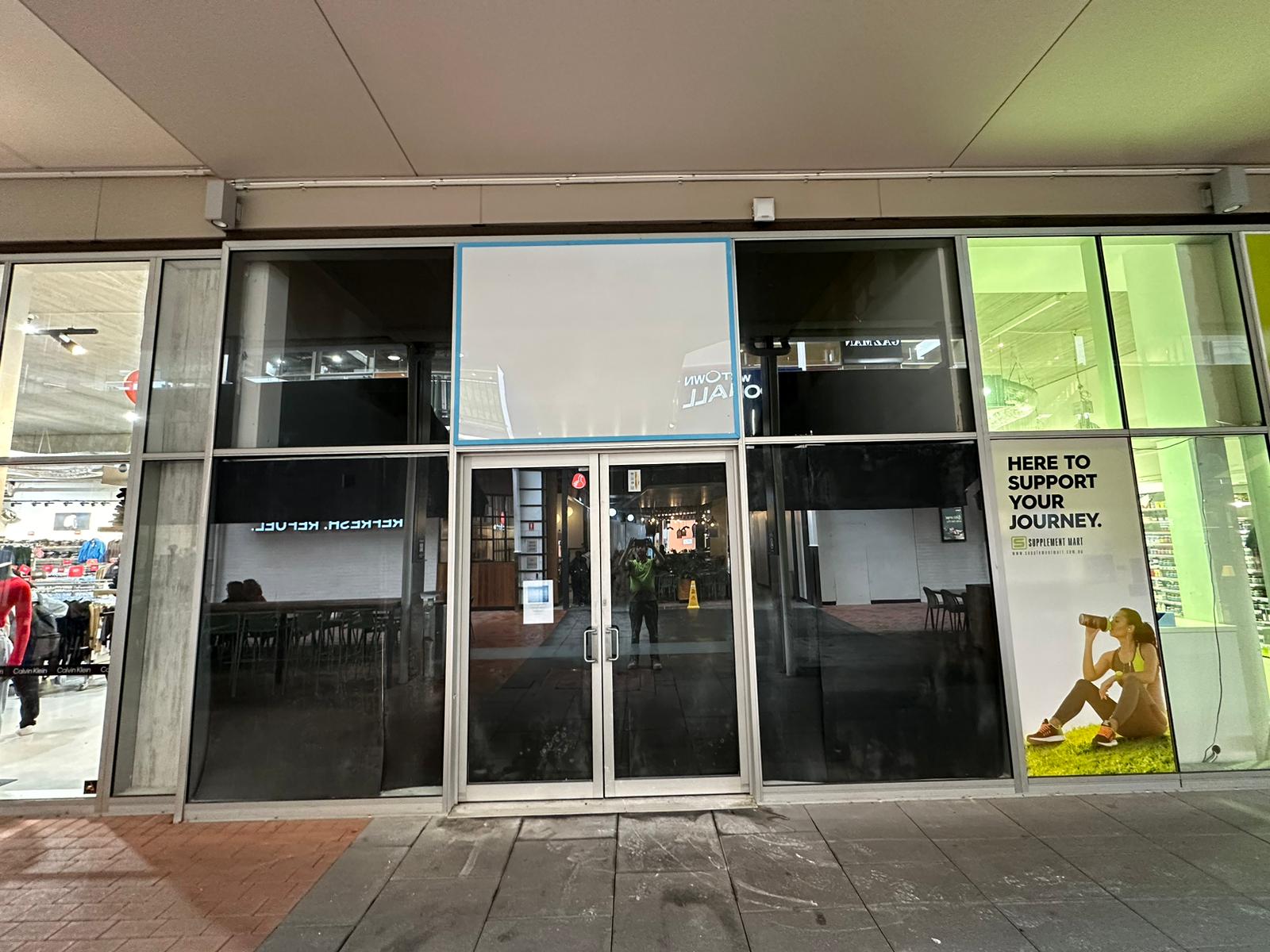
Shop Defit commonly involves removing retail counters, display systems, signage, custom joinery and shopfitting components. The work may need to fit around shopping-centre access rules, loading restrictions and neighbouring businesses.
Office Defit can involve workstations, meeting-room partitions, reception areas, floor coverings and data infrastructure. Electrical and other building services may require appropriately qualified trades to disconnect or make them safe.
Warehouse Defit can be more complex when fixed racking, equipment, mezzanines or heavy-duty installations are involved. The contractor must understand which components can be removed and whether additional structural or safety assessments are needed.
Before engaging a provider, ask for examples of comparable projects. Experience with one property type does not necessarily demonstrate the capability to manage another.

What Should a Defit and Makegood Quote Include?
A useful quotation should explain exactly what is included, what is excluded and how the work will be completed.
It should identify the fixtures and materials being removed, waste handling arrangements, required repairs, service disconnections, project timing and any assumptions that could affect the price. If specialist trades, permits or additional assessments may be needed, these should be clarified before work starts.
This is particularly important when a lease specifies the condition in which the premises must be returned. A quote that covers removal but excludes necessary restoration may appear less expensive initially, yet leave the tenant with additional work to arrange.
For projects involving Insurance Debris after fire, water damage or another insured event, clarify whether damaged materials and ordinary fitout waste are included in the same scope. Insurance-related work may involve separate documentation and coordination with the relevant parties.

Are There Compliance Requirements for Demolition and Defit Work in Perth?
Yes, depending on the activities involved. Commercial removal work may require building approvals, appropriate licensing, safe work procedures and specialist handling of hazardous materials.
In Western Australia, certain demolition work requires a demolition licence, and asbestos-related work has specific requirements. A contractor should assess the proposed work and identify which requirements apply before commencing.
Not every Defit or Stripout project is structural demolition, so the scope should be assessed rather than classified by its name alone. Ask who will manage approvals, how services will be made safe and which qualified trades will be responsible for specialist tasks.
For Perth businesses, providers such as Perth Defit can be considered when comparing commercial removal and reinstatement services. The important step is to verify that the proposed scope, qualifications and responsibilities match the project.

Frequently Asked Questions
Does A Demolition Contractor Have Defit and Makegood Service for Commercial Properties?
Some do. Services vary between contractors, so confirm whether the quotation covers removal, waste disposal, repairs and final reinstatement.
Is Defit and Makegood the Same as Demolition?
No. Defit removes tenant-installed items, while Makegood restores the premises to an agreed condition. Demolition generally involves dismantling or removing structures and may trigger additional requirements.
Can I Hire One Contractor for the Entire Project?
Yes, if the contractor offers the full scope or can coordinate qualified subcontractors. Ask who is responsible for each stage and who will address any incomplete work.
Should I Hire a Demolition Contractor or a Defit Specialist?
Choose according to the work required. A Defit specialist may suit a commercial fitout removal and restoration project, while structural removal may require a suitably licensed demolition contractor. Some providers can coordinate both.
When Should I Request a Quote?
Request an assessment as soon as the scope and handover requirements become clear. Early planning allows time to confirm responsibilities, organise specialist trades and schedule the work around the required completion date.

Choosing the Right Service for Your Commercial Project
Ultimately, Does A Demolition Contractor Have Defit and Makegood Service depends on the provider and the project. The right choice is not necessarily the contractor that offers the broadest list of services, but the one that can demonstrate the capability to complete the work you actually need.
Before proceeding, confirm the removal scope, reinstatement requirements, waste arrangements, compliance responsibilities and project schedule. Whether you are arranging Shop Defit, Office Defit or Warehouse Defit, a clearly defined scope makes it easier to compare quotations and avoid unexpected tasks.
If you need both removal and restoration, look for a provider that can explain how the two stages fit together. That gives you a more practical basis for planning the project and preparing the property for its next use.