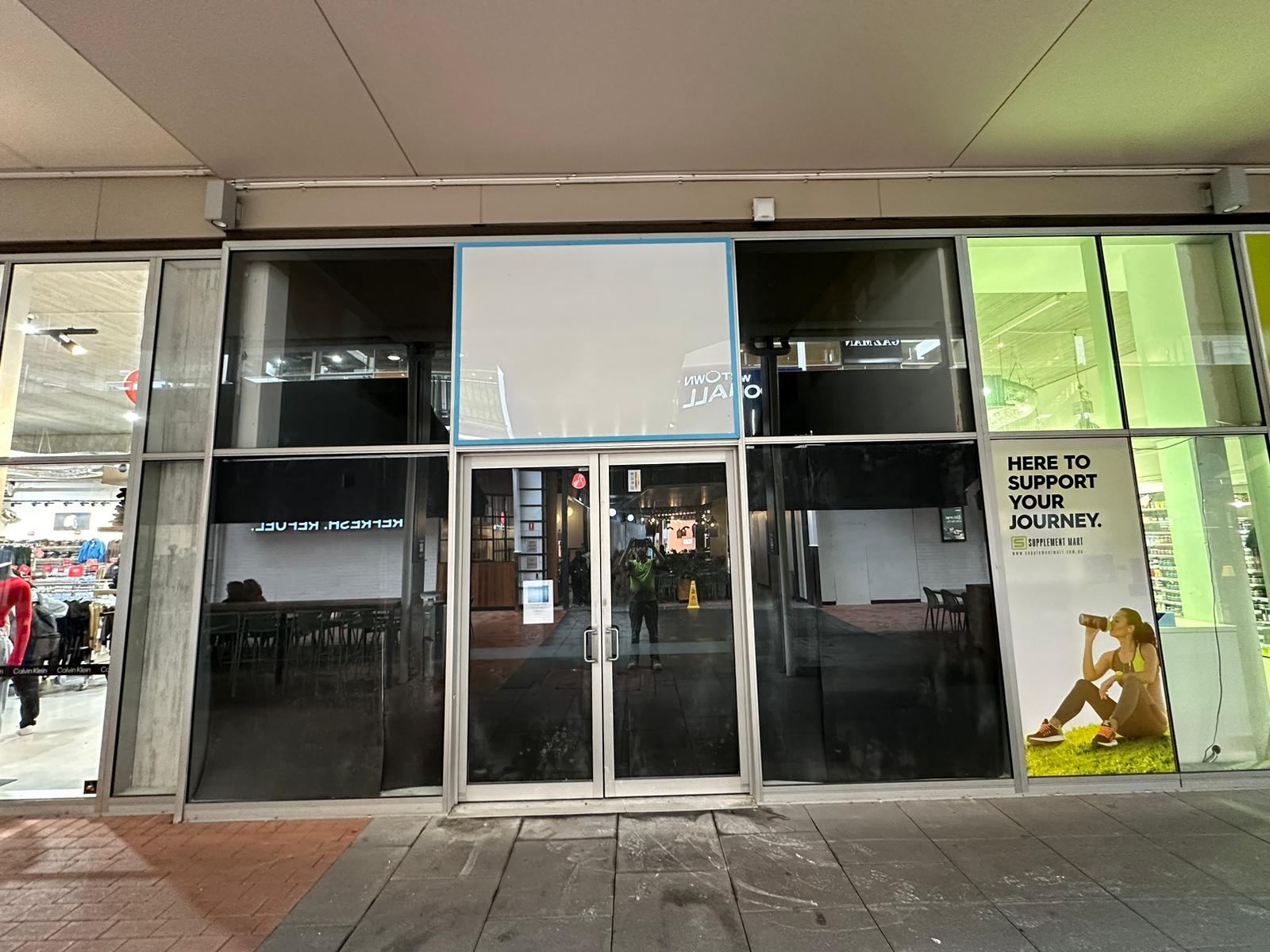
How Long Does a Defit Take? A Guide for Perth Businesses
When a commercial lease is coming to an end, one question tends to come up before almost anything else: how long does a defit take?
For business owners, the answer affects more than the contractor's schedule. It can influence the relocation date, staff arrangements, equipment removal, final rent payments and the deadline for returning the premises to the landlord.
A small office with a few partitions may be relatively straightforward to clear. A retail tenancy with custom-built displays, specialist lighting and floor coverings can involve considerably more work. Warehouses introduce another set of challenges, especially when large racking systems, machinery or extensive storage installations need to be removed.
For businesses arranging Defit and Makegood work in Perth, the most useful starting point is to understand what needs to happen inside the property, how much restoration is required and which parts of the project must be completed before handover.

How Long Does a Defit Take on Average?
A commercial defit can take anywhere from a few working days to several weeks. The timeframe depends on the size of the tenancy, the complexity of its fitout, site access, removal requirements and the condition the property must be returned in.
The following estimates are general planning guides for the physical work, not fixed completion promises.
These ranges are illustrative. A contractor may need more or less time after inspecting the premises, and some projects cannot be estimated reliably from floor area alone.
For example, two offices of similar size can have very different schedules. One may contain removable workstations and a few lightweight partitions. The other may have multiple meeting rooms, custom joinery, altered ceilings and extensive cabling.
The amount of work involved matters more than the square metres alone.

Why the Type of Property Changes the Timeline
The best way to estimate a defit's duration is to look at the work the property actually requires. Offices, retail spaces and warehouses each present different challenges.
Office Defit: From Workstations to Building Services
An Office Defit may involve removing workstations, reception counters, internal partitions, meeting room structures, storage units, signage and selected flooring or ceiling elements.
If the office has a simple layout and most furniture is freestanding, removal may be completed within a few days.
More complex offices can take longer. Partitions may be fixed into the floor or ceiling, built-in cabinetry may require careful dismantling, and electrical or data installations may need specialist attention.
The makegood work can also add time. Once the office is cleared, the contractor may need to patch walls, repair ceiling sections, remove adhesive residue or restore affected finishes.
A realistic schedule should account for both removal and the condition required at handover.

Shop Defit: Custom Fitouts Need Careful Removal
A Shop Defit can be more complicated than clearing an ordinary commercial room because retail environments are often built around a specific brand and customer experience.
Display cabinets, counters, wall fixtures, signage, feature lighting and specialised finishes may all be integrated into the fitout.
The way these elements were installed affects how quickly they can be removed. A freestanding display is usually simpler to dismantle than a custom counter fixed to the floor and connected to electrical services.
Shopping centre requirements can also influence the schedule. Contractor inductions, approved work hours, loading dock access and building management procedures may need to be arranged before work begins.
If the tenancy is inside a busy Perth shopping centre, these logistics should be confirmed early rather than left until the removal team arrives.

Warehouse Defit: Larger Items Require More Coordination
A Warehouse Defit can involve pallet racking, storage systems, internal offices, safety barriers, equipment areas and other tenant-installed structures.
Some warehouses are straightforward to clear because the installations are modular and access is relatively open. Others require more planning because of the weight, size or configuration of the items being removed.
The contractor may need to coordinate dismantling equipment, material handling, waste collection and specialist trades. If substantial structures or services are involved, the scope may need further technical assessment before a firm timeframe can be established.
A warehouse's large floor area does not automatically mean the job will take longer. The complexity of the installations and the removal method are often more important.

The Work That Happens Before and After Fitout Removal
One reason defit estimates sometimes miss the mark is that people focus only on the physical removal.
However, a complete commercial exit can involve several distinct stages.
Before removal, the business may need to confirm its lease obligations, agree on the work scope, arrange building access and organise the disconnection or isolation of relevant services.
During the defit, the team removes the agreed fixtures, fittings, partitions and other tenant-installed elements.
After removal, makegood work may be needed to restore affected surfaces, repair damage, complete specified reinstatement and prepare the premises for inspection.
These stages do not always happen consecutively. Some activities can be coordinated or completed in parallel, while others must wait for preceding work to finish.
This distinction is important when planning a move. A contractor might estimate that the physical stripout will take five days, but the full process from initial assessment to accepted handover can take considerably longer.

What Can Delay a Defit Project?
Even a well-planned job can encounter unexpected conditions. Understanding the common causes of delays makes it easier to build a realistic schedule.
1. The Original Fitout Is More Complex Than Expected
A tenancy may have been modified several times during its occupation. Additional partitions, concealed fixings, built-in joinery and changes to services can make removal more involved than the initial inspection suggests.
A detailed site assessment helps identify visible complications before work starts.
2. Access Is Restricted
Commercial buildings may have specific rules about when contractors can work, where materials can be moved and how waste must leave the property.
Limited lift access, loading dock bookings, shared corridors or restricted work hours can affect daily productivity.
3. Services Need Specialist Attention
Electrical installations, data cabling, plumbing, fire systems and air-conditioning components may require qualified trades or coordination with building management.
If these arrangements are not ready when the defit begins, the removal schedule may have to change.
4. The Makegood Scope Is Unclear
Removing a fixture is one task. Restoring the surrounding area is another.
If the landlord's expectations are not established before work starts, the contractor may need to revise the scope once the premises have been stripped out. This can lead to additional work, costs and scheduling changes.
5. Unexpected Damage Is Discovered
Once floor coverings, partitions or cabinetry are removed, previously concealed damage may become visible.
The extent of any additional repair work depends on what is discovered and what the lease requires. It is sensible to allow some flexibility rather than scheduling every task with no contingency.
6. Materials and Waste Take Longer to Remove
A defit can generate a substantial volume of waste. Large items may need to be dismantled into manageable sections, while different materials may require separate handling.
Waste collection should be planned around the site's access arrangements and the amount of material expected.

Does Shopfitting Affect How Long a Defit Takes?
Yes. Shopfitting decisions can have a direct impact on the time required for future removal.
A retail fitout designed with modular fixtures and accessible connections may be easier to dismantle than one with extensive custom joinery, fixed displays and integrated services.
The same principle can apply to offices. Fixed partitions, specialised ceiling features and built-in storage can create more removal and reinstatement work than a flexible layout.
Businesses planning a new fitout should consider the eventual exit requirements as well as the immediate operational needs. Understanding the lease's makegood provisions before installation can help avoid surprises when the tenancy ends.
How Defit and Makegood Work Together
Defit and makegood are closely related, but they should be scoped separately.
Defit generally concerns removing tenant-installed fixtures, fittings and other additions. Makegood concerns restoring the premises to the condition required under the lease or agreed handover arrangements.
For instance, dismantling a partition may take only part of a day. Repairing the wall, reinstating the ceiling and addressing the floor where the partition was fixed may require additional time.
The final scope could include:
Removal of tenant fixtures and fittings
Partition and joinery dismantling
Selected floor and ceiling removal
Service disconnection or removal
Waste handling
Wall and ceiling repairs
Surface preparation and repainting
Floor patching or reinstatement
Final cleaning and inspection
Not every project requires all these tasks. The lease and agreed scope should determine what is included.
A contractor experienced in both Defit and Makegood can plan the removal with the final handover condition in mind, helping reduce avoidable rework.

When Should You Book a Demolition Contractor or Defit Specialist?
The time to contact a contractor is when you know the premises will be vacated, not when the final day of the lease is approaching.
An experienced Demolition Contractor with commercial defit experience can assess the site, identify the likely removal requirements and advise on a suitable work programme.
As a practical planning approach, consider these stages:
Several weeks or months before handover: Review the lease and identify the expected condition of the premises.
Once the scope is becoming clear: Arrange a site inspection, discuss access restrictions and obtain a detailed quotation.
Before physical work starts: Confirm building approvals or procedures, coordinate specialist trades and agree on the schedule.
During the final phase: Allow enough time for makegood work, cleaning, outstanding repairs and the handover inspection.
The lead time needed will depend on the project. A simple office may require less preparation than a major retail or industrial defit, so the schedule should be built around the actual scope.

Seven Ways to Keep Your Defit on Schedule
You cannot eliminate every possible delay, but you can reduce the likelihood of avoidable setbacks.
Confirm the handover requirements early. Understand what the landlord expects before deciding what to remove.
Arrange a site inspection. Give the contractor an opportunity to assess the actual fitout rather than relying on a rough description.
Document the scope. Clearly identify what is included, what remains and what repairs are required.
Organise access in advance. Confirm loading arrangements, work hours, inductions and any building-specific procedures.
Coordinate specialist trades. Arrange service disconnections and other technical work before they become scheduling bottlenecks.
Plan waste removal. Make sure the project has a practical way to remove materials without interrupting other activities.
Allow contingency time. Leave room for hidden damage, additional repairs or other unexpected findings.
These steps can make the programme easier to manage, especially when the business must coordinate its relocation at the same time.

What Should You Ask Before Accepting a Defit Timeline?
Before committing to a proposed completion date, ask the contractor a few practical questions.
Does the timeframe cover removal only, or does it include makegood?
Have building access restrictions been considered?
Are specialist trades included in the programme?
What assumptions have been made about the existing fitout?
Is waste removal included?
What happens if hidden damage or additional work is discovered?
When will the final inspection take place?
A clear answer to these questions is more useful than a single number of days without an explanation.
It also helps you compare quotations fairly. One contractor may be allowing for removal alone, while another may have included repairs and reinstatement in the same schedule.

How Long Does a Defit Take in Perth? The Practical Answer
For a small commercial tenancy, physical removal may take only a few working days. A larger office, complex retail fitout or warehouse with extensive installations can require several weeks or longer.
The total time needed to prepare the property for handover may extend beyond the physical defit because planning, service coordination, makegood and final inspections also need to be considered.
There is no reliable way to determine an exact completion date from the property type alone. The condition of the fitout, removal requirements, access arrangements and lease obligations all matter.
Perth Defit provides commercial defit and makegood services for office, shop and warehouse premises. If you are preparing to vacate a commercial property, a site assessment can help establish the work involved and provide a more realistic timeframe for your project.
Planning a commercial defit in Perth? Contact Perth Defit to discuss your property, clarify the required scope and request a project quotation before your handover deadline.

Frequently Asked Questions
How long does a defit take for a small office?
A small office with limited fitout may take around two to five working days for physical removal. Built-in joinery, complex services or makegood requirements can extend the timeframe.
How long does a shop defit take?
A straightforward retail defit may take a few days, while a customised shop fitout can require one to two weeks or longer. Shopping centre access rules, specialist installations and reinstatement work can affect the schedule.
How long does a warehouse defit take?
A simple warehouse defit may take several days to two weeks. Larger projects involving extensive racking, heavy installations or specialist services can take longer.
Does the defit timeframe include makegood?
Not always. Some estimates cover only the removal of fitout and fixtures. Ask whether repairs, reinstatement, waste removal and final cleaning are included before accepting the proposed schedule.
Can a defit be completed over a weekend?
Some smaller projects may be possible over a weekend, provided the scope, labour, access and building requirements allow it. Larger projects or those requiring specialist trades may need more time.
What is the biggest cause of defit delays?
There is no single cause for every project. Common issues include unclear makegood requirements, restricted access, specialist service work, unexpected damage and additional removal tasks.
When should I arrange a defit contractor in Perth?
Arrange an assessment as soon as you know the property will be vacated. The right lead time depends on the size and complexity of the job, but early planning gives you more opportunity to confirm the scope and coordinate the work.
Does hiring a demolition contractor make the defit faster?
Not automatically. A contractor with relevant commercial defit experience can help coordinate removal, safety, access and related work, but the actual duration still depends on the site conditions and project scope.
How can I get an accurate defit timeframe?
Arrange a site inspection and provide the contractor with the relevant lease or handover requirements. A clear scope covering removal, makegood, access and specialist trades gives the contractor a stronger basis for estimating the schedule.